Sailing area · Canary Islands

Sailing in the Canary Islands

Cabin charter in the Canary Islands means: you book a berth (your sleeping place on board), and a skipper sails with you in the trade winds between Tenerife, La Gomera, Gran Canaria, Lanzarote and the other islands. The season runs in winter, when it is cold in Europe. You don't need a sailing licence for this.

Updated: 28 October 2026 · Redaktion toernfinder.de
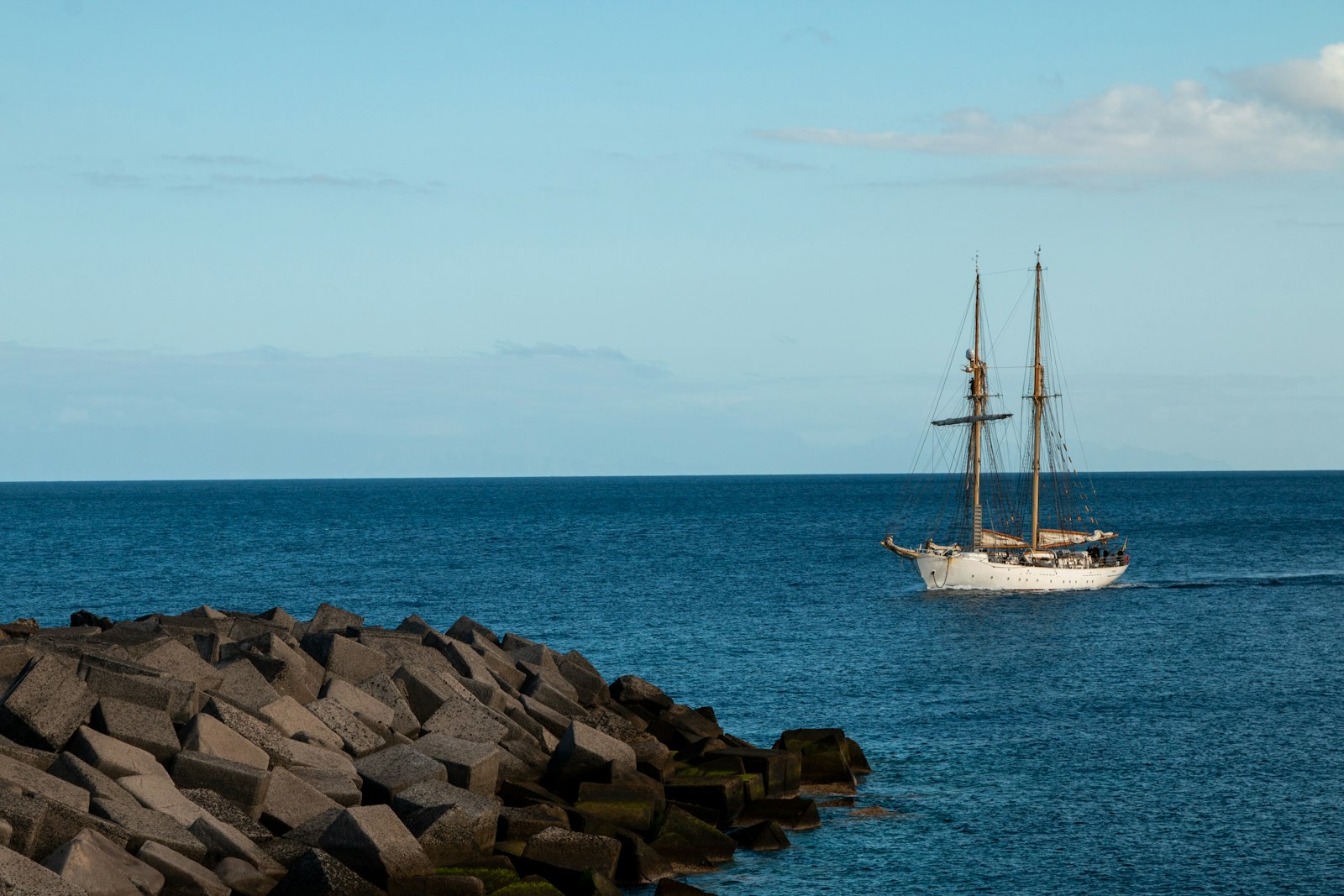
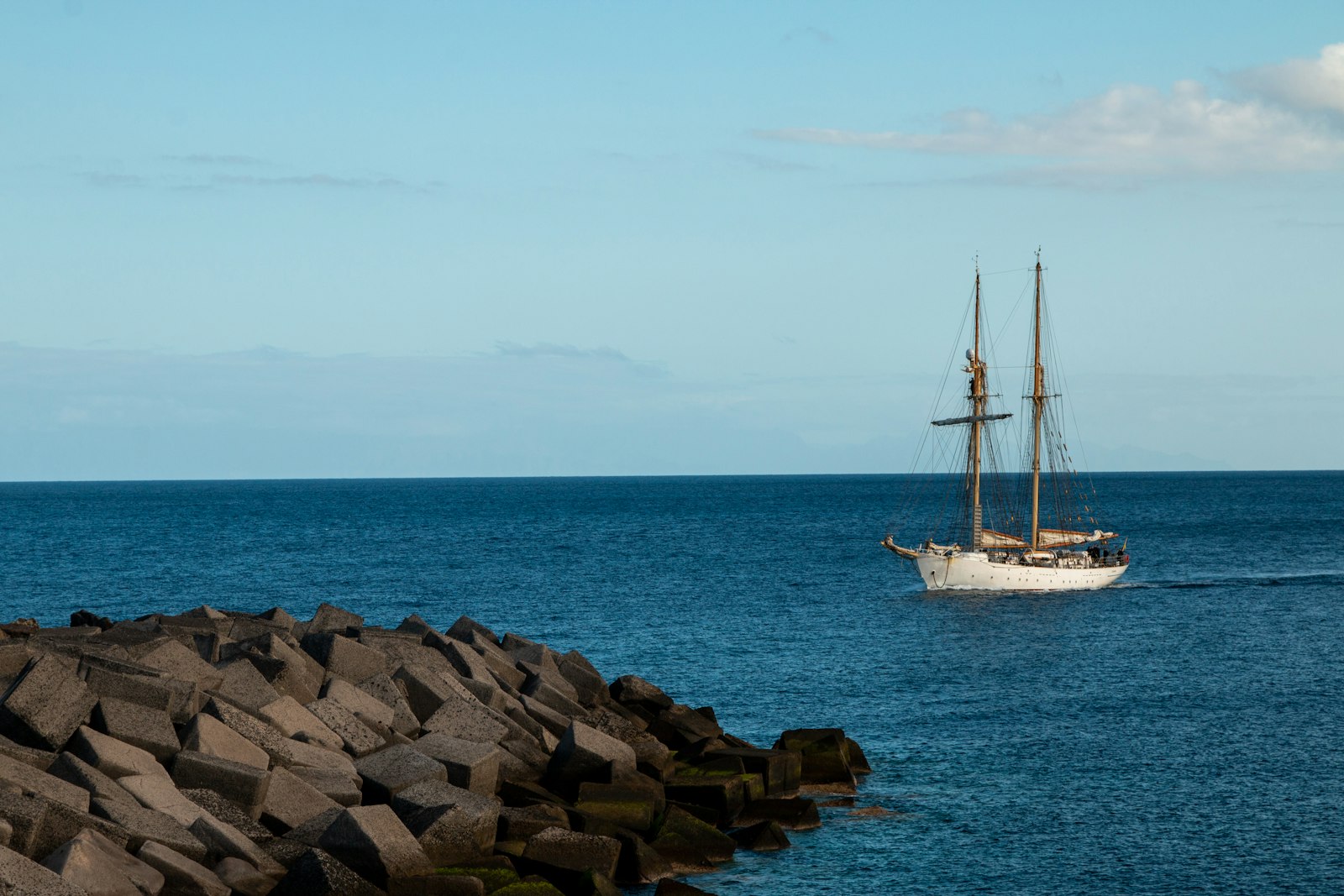
Sailing yacht off a rocky coast on Tenerife
85 current trips
from 21 providers compared

The essentials at a glance

Season
October to April, mostly November to February
Duration
Usually one week, also mile-building trips
Most common departure ports
Arrecife (Lanzarote), San Miguel and Las Galletas (Tenerife), Las Palmas
Requirements
No sailing licence required
Week-long trip per person
mostly 790–810 €

Current sailing trips in the Canary Islands

Here you can see a changing selection of current trips starting in the Canary Islands, from week-long trips around Tenerife and La Gomera to mile-building trips across the Atlantic. Use the buttons to filter the list by trip type. Most trips depart from Lanzarote and Tenerife. Your enquiry goes directly to the provider; bookings are also made directly with them.

Mile building

Winter ’26: Sailing trip Canary Islands / Tenerife – only 1 berth for woman still available

Las Galletas12.12.20268 days
Windbeutel Reisen
from 698 €
View trip
Cabin charter

Turn winter into summer. Sailing trip in the Canary Islands with a maximum of 6 guests

Arrecife/Lanzarote 21.11.20268 days
Barfuss Segelreisen GmbH
from 810 €
View trip
Cabin charter

Cabin charter from/to Tenerife, Canary Islands with Gomera / La Palma

San Miguel / Tenerife12.12.20268 days
Nordtoern-Segelreisen
from 790 €
View trip
Cabin charter

Winter ’27: Sailing trip Canary Islands / Tenerife

Las Galletas06.02.20278 days
Windbeutel Reisen
from 698 €
View trip
Cabin charter

Atlantic crossing Gran Canaria – Caribbean ARC

Gran Canaria17.11.202628 days
klassiker segeln
from 5,200 €
View trip
Mile building

Offshore sailing trip from Tenerife to Madeira

Tenerife05.12.202615 days

FluxAhoi
from 980 €
View trip
How cabin charter works in the Canary Islands

With cabin charter in the Canary Islands, you book a berth on board, not the whole yacht. The skipper plans the route between the islands, commands the vessel and bears responsibility, whilst you are part of the crew.

Each berth is allocated individually, so you can also book on your own. Most trips last a week and begin and end in the same harbour. During the day you sail along the coast or across to a neighbouring island; in the evening the yacht lies in a marina or at anchor in a sheltered bay. Because the Canaries are mild in winter, the area is one of the few places to sail in Europe from November to March.

Sailing holidays in the Canary Islands: wind and swell

The northeast trade wind blows over the Canaries almost all year round, usually at Force 4 to 5. Between the islands and at their corners it is accelerated by the mountains and can blow much stronger there, whilst in the lee to the southwest of the islands it is often almost calm. There is also swell from the Atlantic. The skipper therefore plans the passages so that crossings take place in suitable wind.

Cabin charter in the Canary Islands: commercial or private

In the Canary Islands, sailing schools and skippers with their own businesses offer cabin charter berths; many of them overwinter with their yacht on the islands. In addition, private owners look for crew, often for the passage to the Caribbean or back to Europe. A special form is hand for a bunk: you work on board and pay little or nothing for the berth; more on that on the page Working passage.

Törnfinder data

The Canary Islands in numbers

Evaluated: all Canary Islands trips published on Törnfinder. As at: 14.11.2026.

Most common departure ports

  1. 1San Miguel23 trips
  2. 2Arrecife21 trips
  3. 3Las Galletas14 trips
  4. 4Las Palmas5 trips
  5. 5Santa Cruz de Tenerife5 trips
66 %of trips last 7–8 days
67 %are round trips, start and finish in the same port
9 %take place on a traditional ship or tall ship
8different departure ports
8countries on offer, led by Spain and Portugal
160 nmcovered by a typical week-long trip

As of 14.11.2026: Törnfinder lists around 90 Canary Islands trips from 21 providers. 66 % last 7–8 days and 67 % are round trips with the same start and end port. Most trips start in San Miguel, Arrecife and Las Galletas, and most departures are in January and February. A week-long trip usually costs 790–810 € per person. Most Canary Islands trips last a week and start on Lanzarote or Tenerife. The dates are almost all between October and April; in summer, hardly any providers sail in the islands.

How these figures are calculated

All trips published on Törnfinder with a departure harbour in the Canary Islands (according to the harbour's coordinates) and a start date from today are evaluated; the figures are recalculated twice a day. Prices are the providers' stated prices per person; offers for a whole yacht with skipper, which are charged per vessel, are not included in the prices. "Most" refers to the middle half of the offers, with the cheapest and most expensive quarters left out. The departure harbour is counted as the starting harbour stated in the listing; a round trip is a trip with the same departure and destination harbour. The texts on this page are written and checked by the editorial team at toernfinder.de.

Sailing in the Canary Islands: the islands at a glance

The Canary Islands lie in the Atlantic off the coast of Morocco and belong to Spain. Alongside the seven large islands there are smaller ones such as La Graciosa. For sailors they divide into the eastern islands of Lanzarote and Fuerteventura, the centre with Gran Canaria and Tenerife, and the western islands of La Gomera, La Palma and El Hierro.

Between Lanzarote and Fuerteventura lie only a few nautical miles; between Fuerteventura, Gran Canaria and Tenerife about 50 nautical miles of open water in each case. Tenerife and La Gomera are separated by a good 20 nautical miles. The tides in the Canaries amount to up to two and a half metres, which plays a part when anchoring and in small harbours.

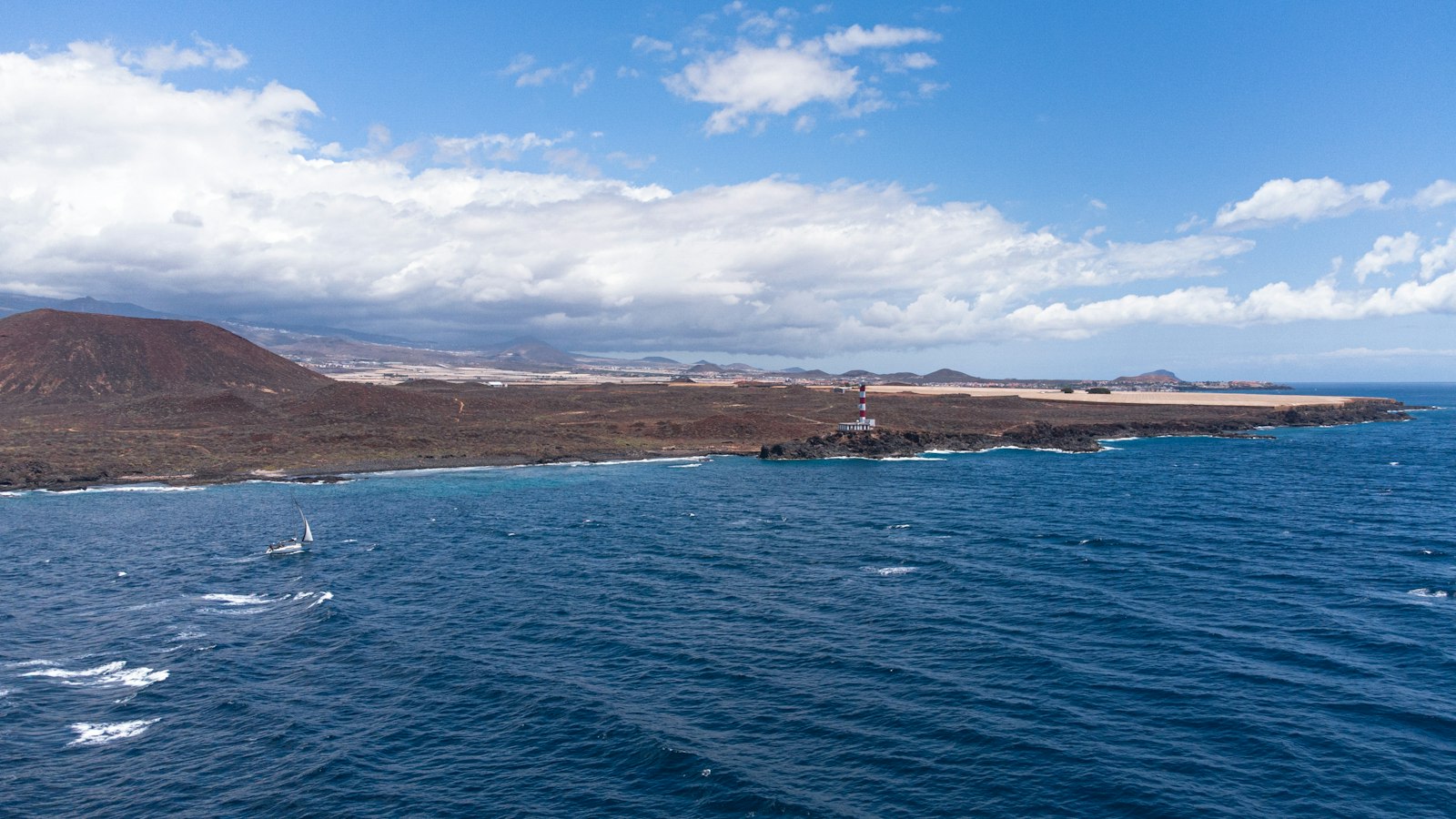
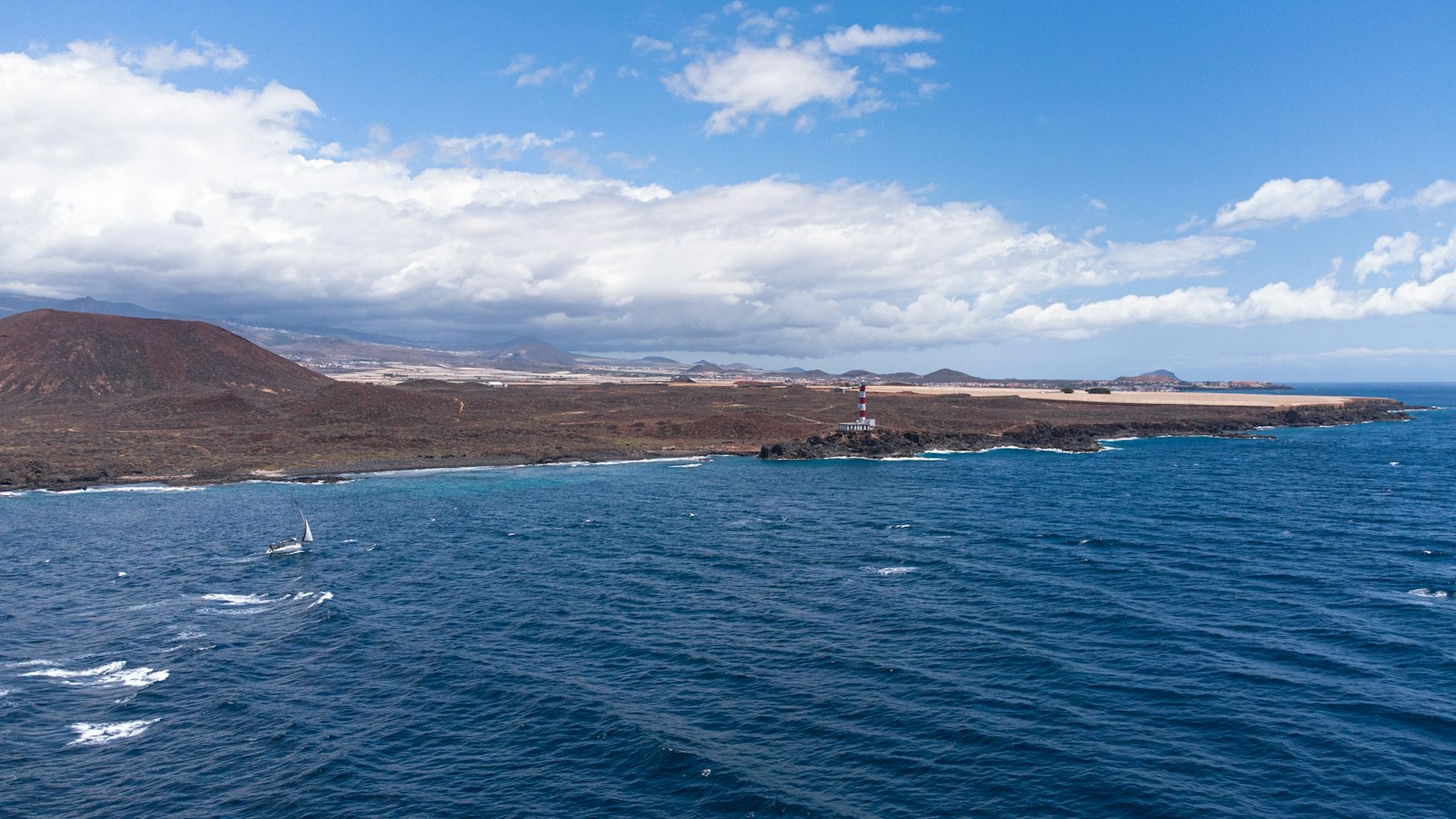
Sailing boat off the Punta de Rasca lighthouse on the south coast of Tenerife

Sailing on Tenerife

Tenerife is the largest island and one of the most frequent starting points. The marinas in the south, such as San Miguel and Las Galletas, lie close to Tenerife South Airport. From there you head along the southwest coast to the cliffs of Los Gigantes or across to La Gomera. More on this in the portraits Marina San Miguel and Marina del Sur in Las Galletas.

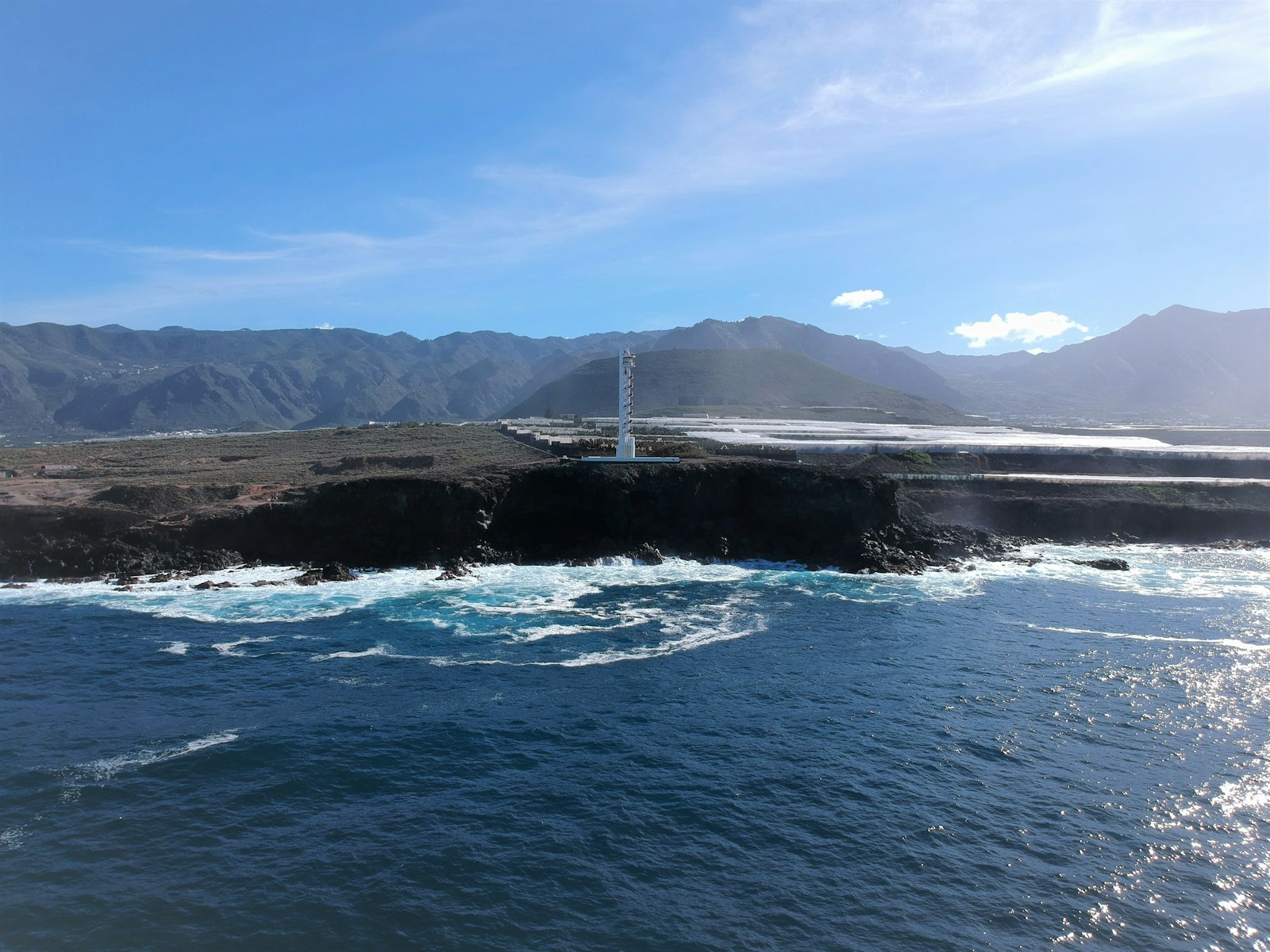
Lava coast with surf in the Canary Islands

Sailing on La Gomera, La Palma and El Hierro

The western islands are greener and quieter than the east. San Sebastián on La Gomera is the classic harbour for a detour from Tenerife; Valle Gran Rey in the west is a popular anchorage. La Palma and El Hierro lie further out and are more suited to longer trips.

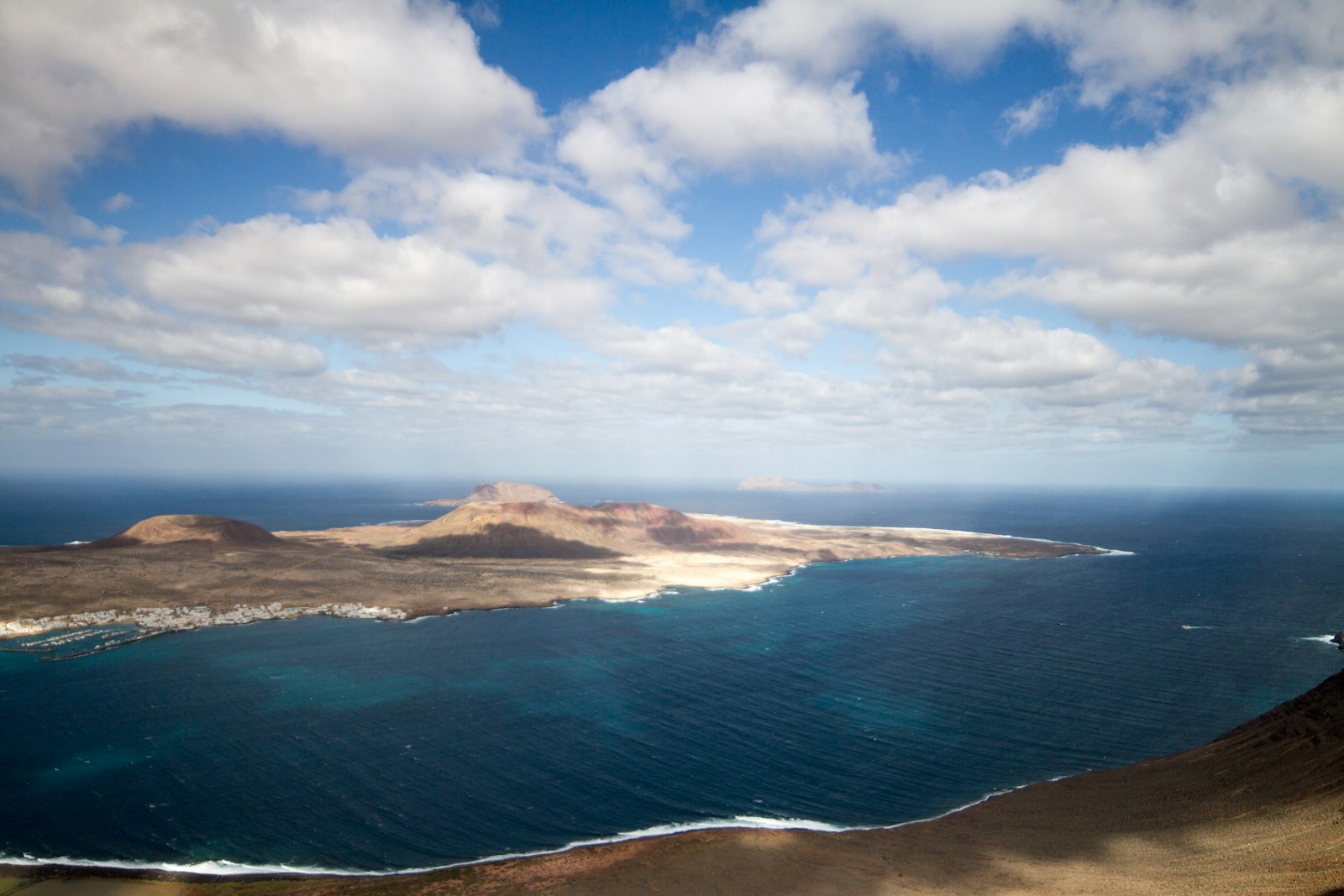
View from the north of Lanzarote towards the island of La Graciosa

Sailing on Lanzarote and Fuerteventura

Lanzarote, with the harbour of Arrecife, is the most frequent departure harbour for Canary Islands trips published here. In the north lies La Graciosa with light sand bays; in the south the strait to the neighbouring island of Fuerteventura. More on this in the portrait Marina Lanzarote in Arrecife.

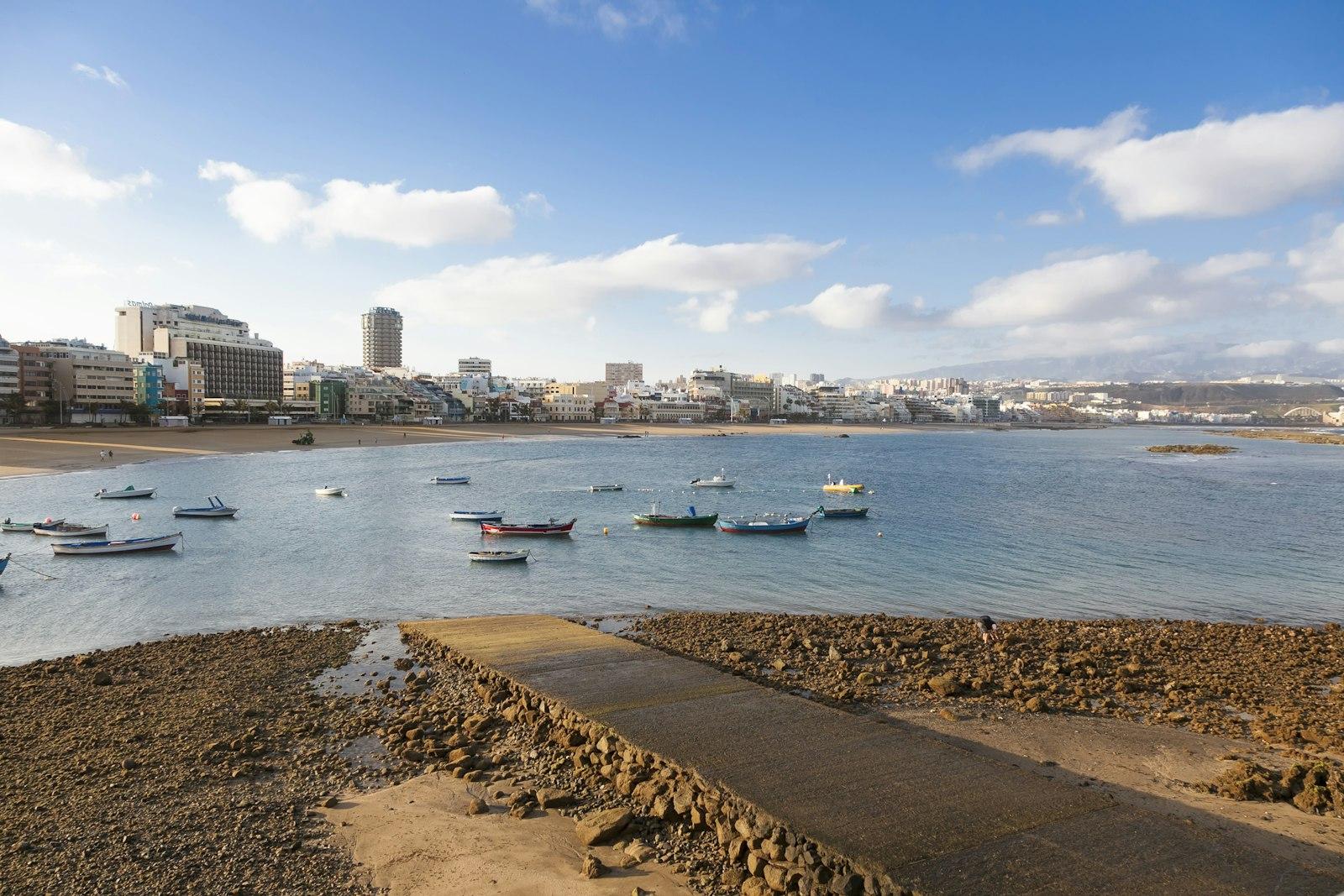
Boats in a bay of Las Palmas de Gran Canaria

Sailing on Gran Canaria

Las Palmas is the largest harbour in the Canary Islands and in November the starting point for many Atlantic crossings. In the south of the island lie harbours such as Pasito Blanco and Mogán. More on this in the portrait Las Palmas for sailors.

Nature on land and on the water

On land, volcanic landscapes characterise the islands, from the Teide on Tenerife, the highest mountain in Spain, to the lava fields of Lanzarote. Between Tenerife and La Gomera live pilot whales and dolphins, which are often seen from the yacht. The waters around La Graciosa are a marine protected area.

Planning a trip to the Canary Islands yourself

Anyone chartering a yacht themselves will find charter bases mainly on Tenerife, Gran Canaria and Lanzarote. For route planning, cruising guides, charts and the harbour profiles in the sailing magazineare helpful. The official sea weather forecast for the Canary Islands is issued by the Spanish meteorological service AEMET ; at sea it is also broadcast by the coast radio stations on VHF.

Best time to travel for sailing holidays in the Canary Islands

The best time to travel for sailing holidays in the Canary Islands is October to April. Daytime temperatures are around 21 to 26 degrees, the water is about 20 degrees, and the trade winds blow reliably. Most trips on Törnfinder depart between November and February.

In summer the trade winds are often strong, and many providers move their boats to the Mediterranean or northern Europe. In late autumn many yachts pass through on their way to the Caribbean, in spring some return to Europe via the Canary Islands.

MonthAir temperature by dayWaterWhat to expect
October26 °C24 °CSeason start, warmest water
November24 °C22 °CMany departure dates, yachts before Atlantic crossings
December22 °C21 °CMild, occasional rainy days
January21 °C20 °CMost popular month, steady trade winds
February21 °C19 °CFresh water, clear visibility
Mar.22 °C19 °CLonger days, last winter trips
April22 °C20 °CEnd of the season, many yachts returning to Europe

Reference values for Santa Cruz de Tenerife: mean daily maximum temperatures according to wetter.com, water temperature according to meerestemperatur.de. In the south of the islands it is often warmer, in the north more humid.

When the trips start

Most Canary Islands trips depart between November and February. From April to September there are hardly any dates.

All Canary Islands trips published on Törnfinder for the next twelve months. As at: 14.11.2026.

Sailing trip Canary Islands: week, mile building or skipper training?

Most trips in the Canary Islands last a week. There are also mile-building trips with longer passages between the islands or out onto the Atlantic, skipper training, sail training and legs of an Atlantic crossing.

Prices per person from current listings, excluding offers for a private yacht charter with skipper. As at: 14.11.2026.

What does a sailing trip in the Canary Islands cost?

A week's trip in the Canary Islands usually costs 790–810 € per person, with a day on board costing around 100 € on average. The exact amount depends mainly on the boat, duration and type of trip.

Trip durationPrice per person (usually)per dayDates
7–9 days, week-long trip790–810 €around 100 €59
10–15 days1,350–1,900 €around 120 €15
16 days or more3,600–5,050 €around 160 €8

"Usually" means: the middle half of the offers fall within this range, the cheapest and most expensive quarters are not included. Longer trips are often legs of an Atlantic crossing. Click on the duration to see the matching trips.

On top of the trip price there is usually the flight and the boat kitty. Flights to the Canary Islands are available direct from many German airports in winter. What is included in the price is stated in the trip description; what typically goes into the boat kitty is explained in the article Kitty on a sailing trip.

What's included in the price and what goes into the crew kitty

Included in the trip price
  • Your bunk on board
  • The vessel
  • The skipper
Usually via the crew kitty
  • Food
  • Hafengeld
  • Diesel

Usually around 150–300 € per person per week, depending on what the group agrees, for example whether restaurant visits are included. On some boats, meals are already included in the price.

It is best to clarify in advance with the provider exactly what is included.

Do I need a sailing licence for a sailing trip in the Canary Islands?

No. As crew you don't need a sailing licence, because it's not you but the skipper who commands the vessel.

A boating licence is only required if you are skippering the vessel yourself. The Canary Islands are also a popular winter sailing area for building experience: on a Sail training you prepare for the Sportküstenschifferschein (SKS), on a Skipper training you practise as skipper, and on a Mile building you build nautical miles. There are currently 6 sail training trips in the Canary Islands listed here. Courses and theory seminars can be found under Courses & Seminars.

View skipper training in the Canary Islands →

What should I pack for a trip in the Canary Islands?

For the Canary Islands, pack as you would for a mild spring: light clothing for the day, warm layers and foul-weather gear for evenings and passages.

  • Foul-weather gear or a waterproof sailing jacket: spray comes over on passages between the islands.
  • Fleece or jumper and long trousers; it cools down considerably at night at sea.
  • High-factor sun protection, cap and sunglasses with a retaining strap, even in winter.
  • Boat shoes with light, non-slip soles and swimming things.
  • Seasickness remedy for the first days on the Atlantic swell.
  • Identity card or passport. A soft bag fits into any bunk, a hard-shell suitcase does not.

Sailing areas in detail

These pages show all current trips, ports and the best time to sail for each part of the area.

Frequently asked questions about cabin charter in the Canary Islands

Here you will find brief answers to the questions most frequently asked before a sailing trip in the Canary Islands.

Where can I book a sailing trip in the Canary Islands?

Most easily through portals where many providers advertise their trips, so you can compare dates, boats and prices. On Törnfinder you send your enquiry directly to the provider, who confirms your place and enters into the contract with you. Törnfinder itself is not an organiser.

What does a sailing trip in the Canary Islands cost?

A week's trip in the Canary Islands usually costs 790–810 € per person. On top of that come the flight, the kitty, covering food and berths, and, where applicable, the ferry or transfer to the departure harbour. The kitty usually comes to about €150–300 per person per week.

When is the best time to sail in the Canary Islands?

From October to April. The weather is pleasantly warm at 20 to 26 degrees, the trade winds blow reliably, and the water is around 20 degrees. Most trips depart between November and February. In summer the trade winds are often strong and many providers sail in other areas then.

Which Canary Island is best for sailing?

For a first trip, Tenerife and La Gomera are suitable because the distances are short and the south coasts lie in the wind shadow. Lanzarote and Fuerteventura are close to each other and, together with the island of La Graciosa, offer one of the most beautiful anchorages in the Canaries. Between the large islands there are passages of 20 to 50 nautical miles, where it can blow hard.

Is sailing in the Canary Islands suitable for beginners?

Yes, if the skipper plans the route according to the wind. The trade winds are consistent, but at the island corners and in the channels between the islands they can pick up considerably, and the Atlantic swell is higher than in the Mediterranean. Seasickness is more common on the passages than on the Baltic Sea, so medication for it belongs in your luggage.

Can I do skipper training or obtain a sailing licence in the Canary Islands?

Yes. Skipper training and sail training are offered in the Canary Islands, also in winter when there is no season in Germany. Wind, waves and harbour manoeuvres with swell make the area a good training ground.

Can I join a trip on my own?

Yes. With cabin charter you book an individual berth; the provider assigns the remaining places to other crew members. Many crews come together this way.

Do I need a sailing licence for a sailing trip in the Canary Islands?

No, not as crew. The skipper commands the vessel. Only those who want to charter and command a yacht themselves need a boating licence.

Do Atlantic crossings also depart from the Canary Islands?

Yes. In November and December many yachts depart from the Canary Islands for the Caribbean; the best-known regatta starts in Las Palmas on Gran Canaria. On Törnfinder you'll find individual legs and complete crossings; more information on the Atlantic crossing page.

Find current sailing trips in the Canary Islands

Use the filter to narrow down by vessel type, trip type and dates, and send your enquiry directly to the provider.