How cabin charter works on the Baltic
With cabin charter on the Baltic, you book a berth on board, not the whole boat. The skipper plans the route, commands the vessel and takes responsibility; you are part of the crew. How much you actively help depends on the trip and the provider.
This principle is called cabin charter: each cabin is assigned individually, and the crew is made up of people who often only meet for the first time on the quayside. You can therefore also book on your own. More about this form of sailing can be found on the page Cabin charter on the Baltic Sea.
What the crew does on board
On many trips you can take part in hands-on sailing: handling sheets and halyards (the lines used to trim and hoist the sails), taking the helm, helping with mooring and learning a great deal in the process. But you can also take things easy and simply enjoy your days on board. On sail training trips, skipper training and traditional sailing vessels, active participation is part of the programme. The skipper explains the procedures before you set off and makes sure beginners aren't overwhelmed. In the galley, the on-board kitchen, everyone usually helps out at some point. On most Baltic trips, you sail during the day and put into harbour in the evening. A watch system with fixed shifts is normally only used when sailing continues at night, for instance on mile building trips — longer trips for accumulating nautical miles.
Cabin charter on the Baltic: commercial or private
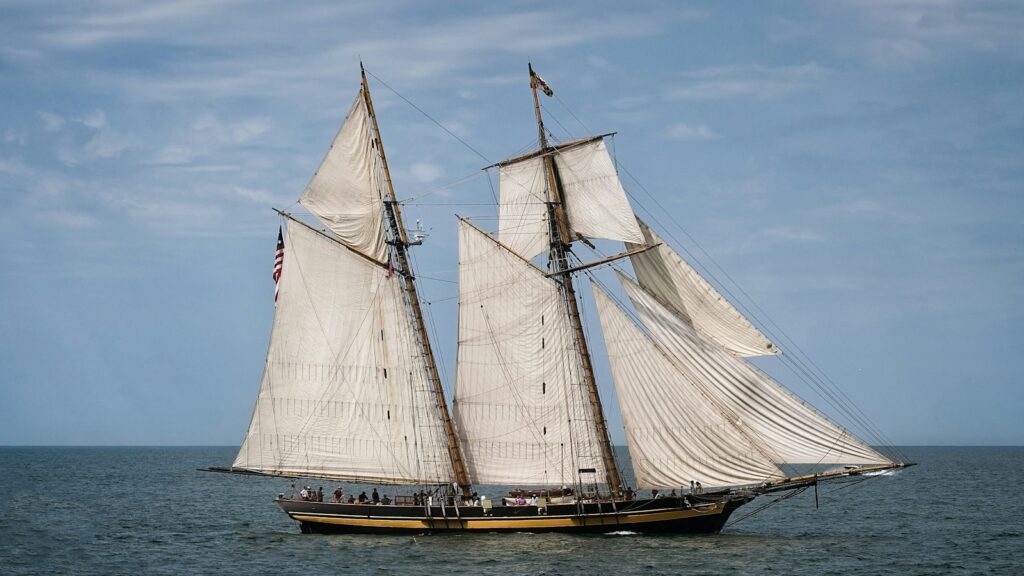
On the Baltic, both commercial providers and private owners offer cabin charter berths. Commercial providers include sailing schools, skippers running their own operations and operators of traditional vessels; they have fixed dates, terms and conditions and often several boats.
If you want to join a private trip on the Baltic, you'll often find owners looking for crew for their own yacht. Such adverts along the lines of "crew wanted, Baltic, two weeks in July" are usually smaller, less regimented and often split the costs of the trip. A special form is hand for a bunk: you work on board and in return pay little or nothing for your berth. This variant is described on the page Working passage in detail.


 Swan 51 Eira
 Mola Yachting
 Albin Köbis Segeln
 Oceans Eleven GmbH