New Year sailing in the Caribbean from St Martin
Sailing-Classicsfrom Martinique to Bonaire…
Andreas Kreutzer SegelreisenIsland hopping by catamaran from Martinique to St. Martin
Segelwolf.comCabin charter in the Caribbean means you book a berth (your sleeping place on board) on a sailing yacht or traditional sailing vessel, and a skipper sails with you in the trade winds from island to island – for example from Martinique via St Lucia to the Grenadines. You don't need a sailing licence for this.
Here you'll see a changing selection of current Caribbean trips, from two-week island-hopping through the Lesser Antilles to a week on a traditional sailing vessel. Use the buttons to filter the list by trip type. Most trips depart from Martinique, especially Le Marin, and from Grenada. Your enquiry goes directly to the provider, and booking is also made directly with them.
Sailing-Classics
Andreas Kreutzer Segelreisen
Segelwolf.comWith cabin charter in the Caribbean you book a berth on board, not the whole vessel. The skipper plans the route through the islands, commands the vessel and takes responsibility; you are part of the crew.
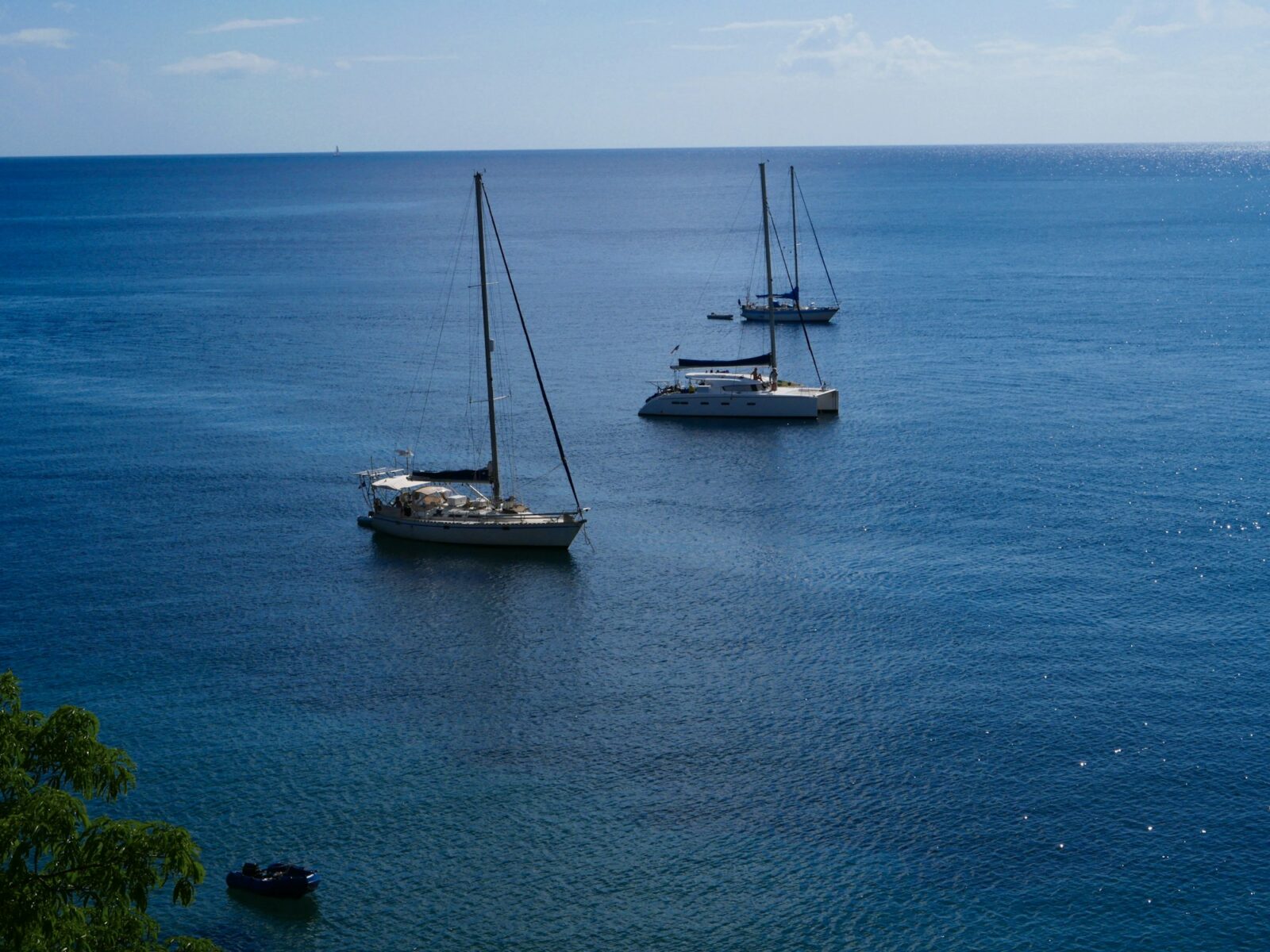
Each berth is allocated individually, so you can book on your own. Most trips last ten to fifteen days, because when you fly across the Atlantic for a Caribbean trip you usually stay longer than a week. During the day you sail in the trade winds from island to island; in the evening the vessel anchors in a bay or lies on a mooring, less often in a marina.
Every cabin charter trip is a trip with a skipper. You share the vessel with other crew and help with manoeuvres, anchoring and cooking. Anyone who wants the yacht for their own group alone charters it with a professional skipper; how this works is described on the page Charter yacht with skipper.
In the Caribbean it is mainly sailing schools, skippers with their own businesses and operators of traditional sailing vessels who offer berths for cabin charter. In addition, private owners who overwinter with their yacht in the Caribbean look for crew for a few weeks or for the crossing and share the costs among the crew. A special form is hand for a bunk: you work on board and in return pay little or nothing for your berth; more on this on the page Working passage.

Analysed: all Caribbean trips published on Törnfinder. As at: 14.11.2026.
As of 14.11.2026: Törnfinder lists around 230 Caribbean trips from 36 providers. 72 % are round trips with the same start and end port and 19 % take place on a traditional ship or tall ship. Most trips start in Le Marin, Falmouth Harbour and Guadalupe, and most departures are in January and February. Most Caribbean trips last ten to fifteen days, depart from Martinique or Grenada and sail through the Lesser Antilles, often as far as the Grenadines. Most dates fall between December and March; from June to September, during hurricane season, there are almost none.
All trips published on Törnfinder in the Caribbean sailing area with a departure date from today onwards are analysed; the figures are recalculated twice a day. Prices are the providers' per-person rates; offers for a whole yacht with skipper, which are charged per vessel, are not included in the prices. "Mostly" denotes the middle half of the offers; the cheapest and most expensive quarters are excluded. The departure harbour is the starting harbour stated in the advert; a round trip is a trip with the same departure and destination harbour. The text on this page is written and checked by the editorial team at toernfinder.de.
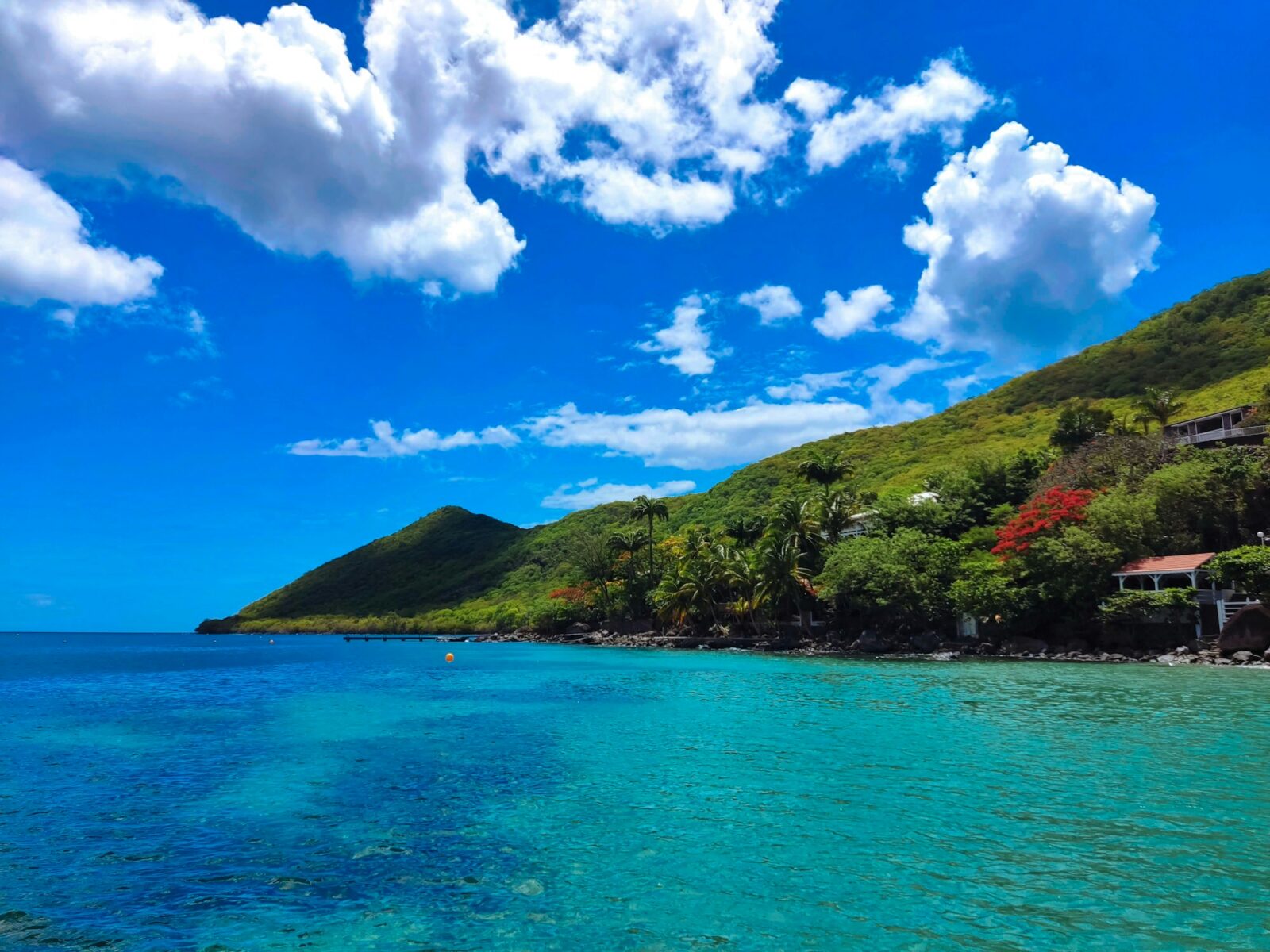
Almost all Caribbean trips sail in the Lesser Antilles, a chain of islands stretching from the Virgin Islands in the north to Grenada in the south. Most of the trips published here depart from Martinique or Grenada and sail to the Grenadines.
The trade wind blows steadily from east to north-east, in winter often at force 4 to 6. Because the islands are strung from north to south, you mostly sail with a beam reach, the most comfortable point of sail. Between the larger islands lie 20 to 40 nautical miles of open water with Atlantic swell; in the lee behind the islands it is calm. Tides play almost no role. Each island is its own state or belongs to a different country, so you clear in and out at many islands. More on the sailing area is in the article Lesser Antilles sailing.
Martinique is a French overseas department, so the euro and EU law apply here. Le Marin in the south is one of the largest marinas in the Caribbean and the most common departure point for the trips listed here. More in the Marinas on Martinique.
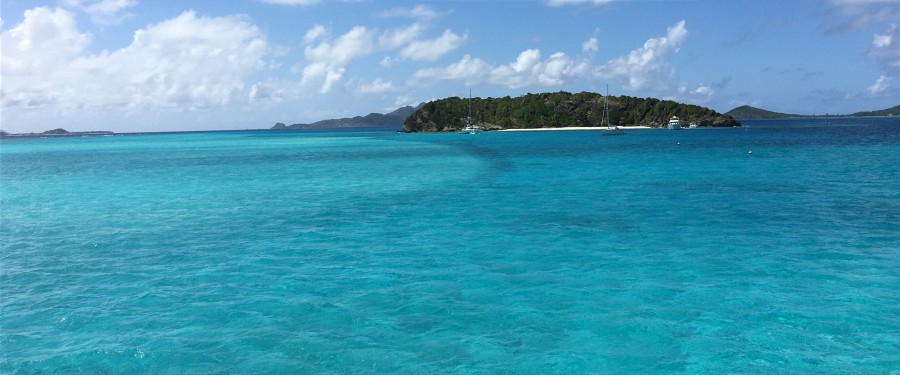
South of St Lucia begins the island chain of the Grenadines: Bequia, Mustique, Canouan, Mayreau, Union Island and the Tobago Cays, a marine park with reefs and turtles for which a fee is charged. The distances between the islands are short, the water is clear. For many, this is the highlight of a Caribbean sailing trip.
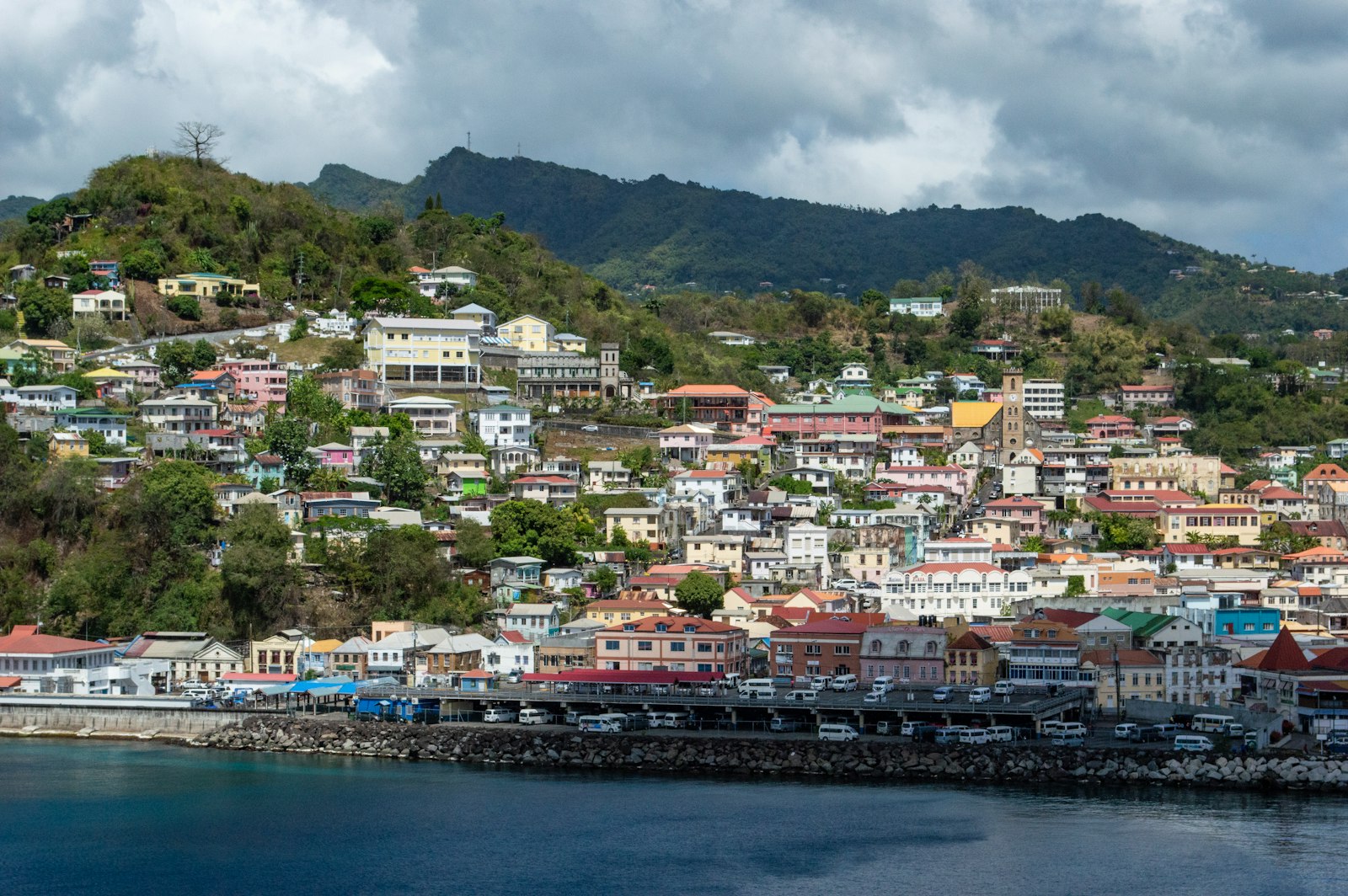
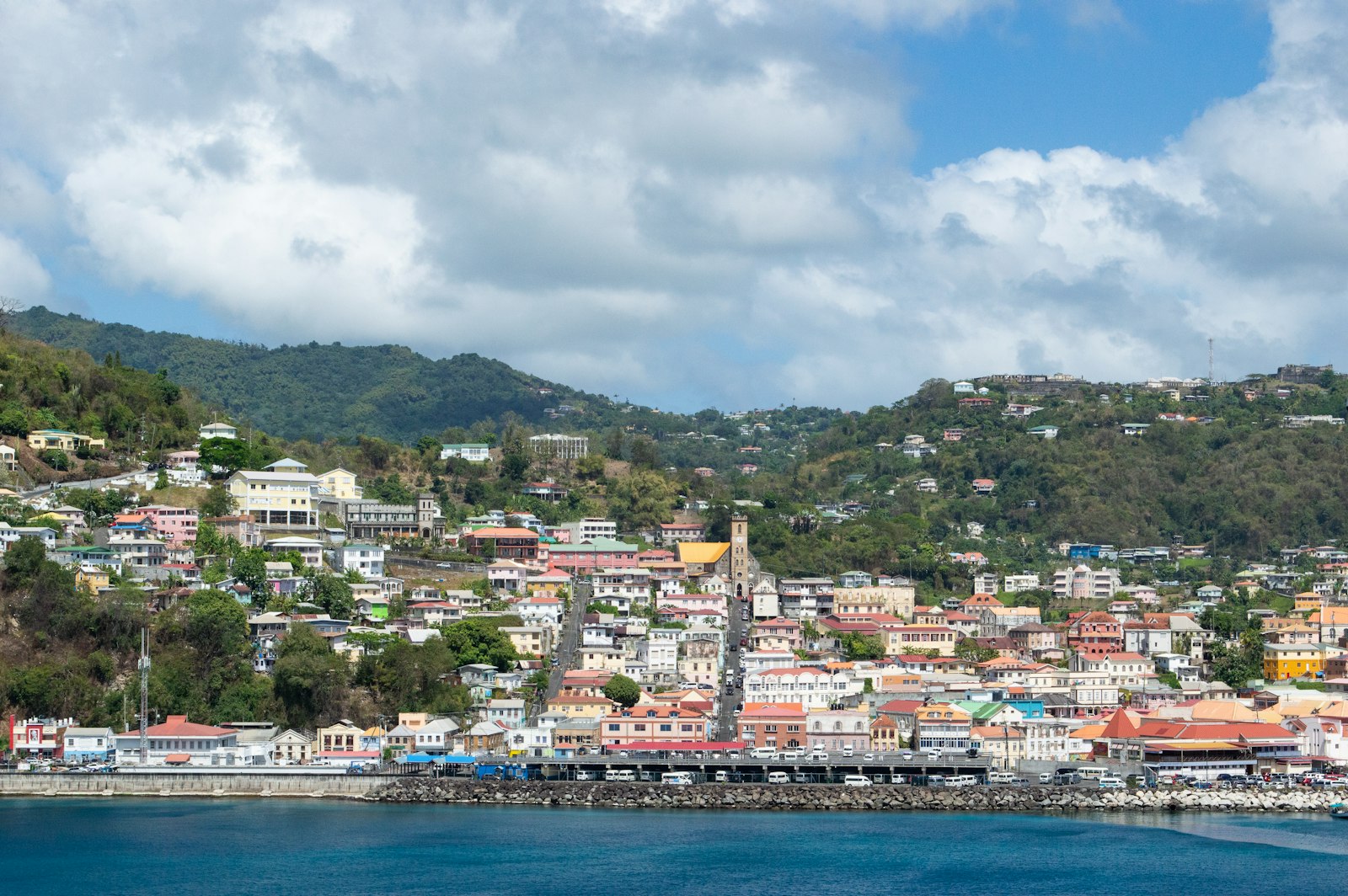
Grenada lies at the southern end of the Lesser Antilles and on the edge of the hurricane belt, which is why many yachts spend the summer here. St George's is a departure point for trips to Carriacou and the southern Grenadines; more in the Port Louis Marina.
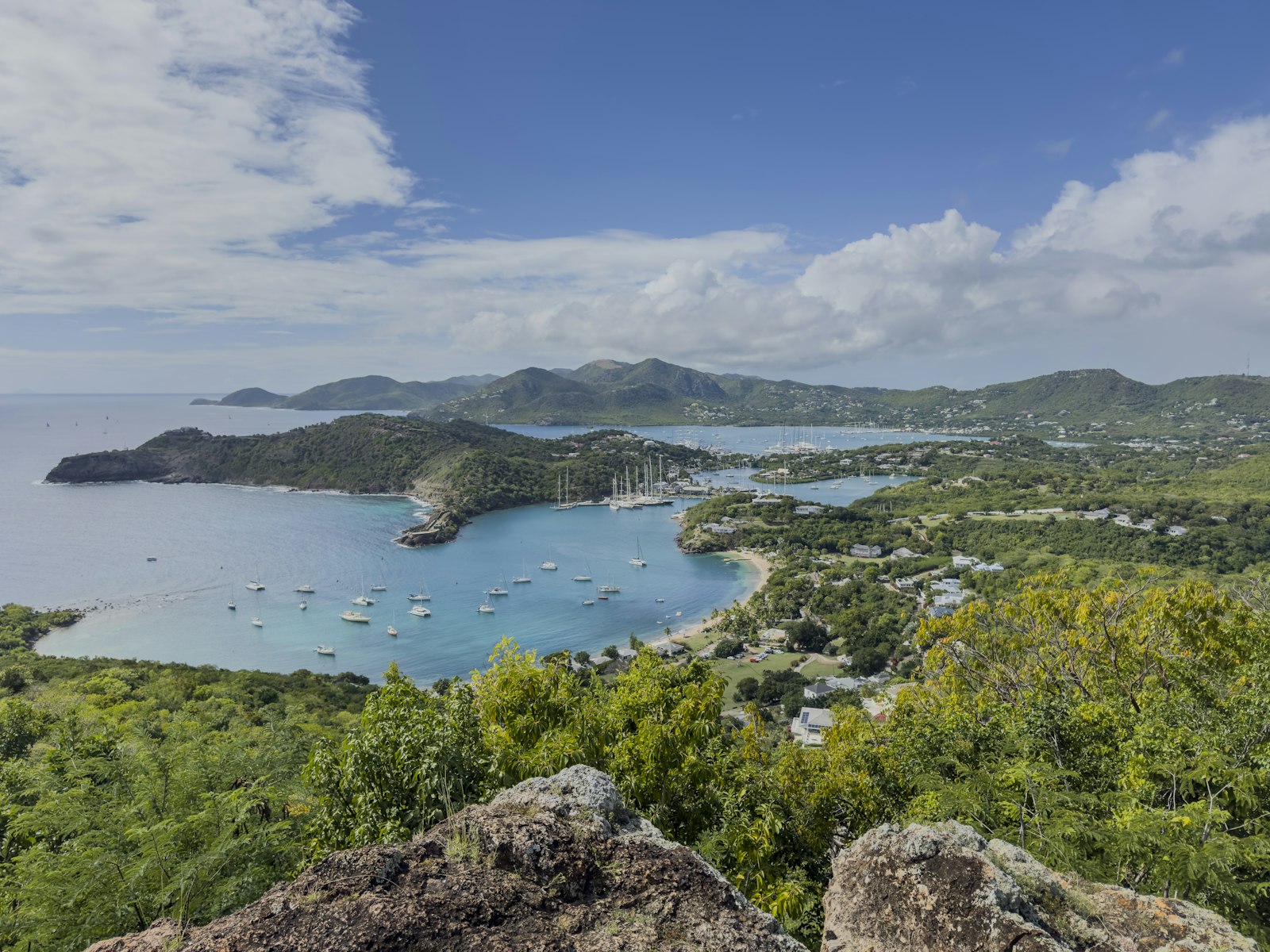
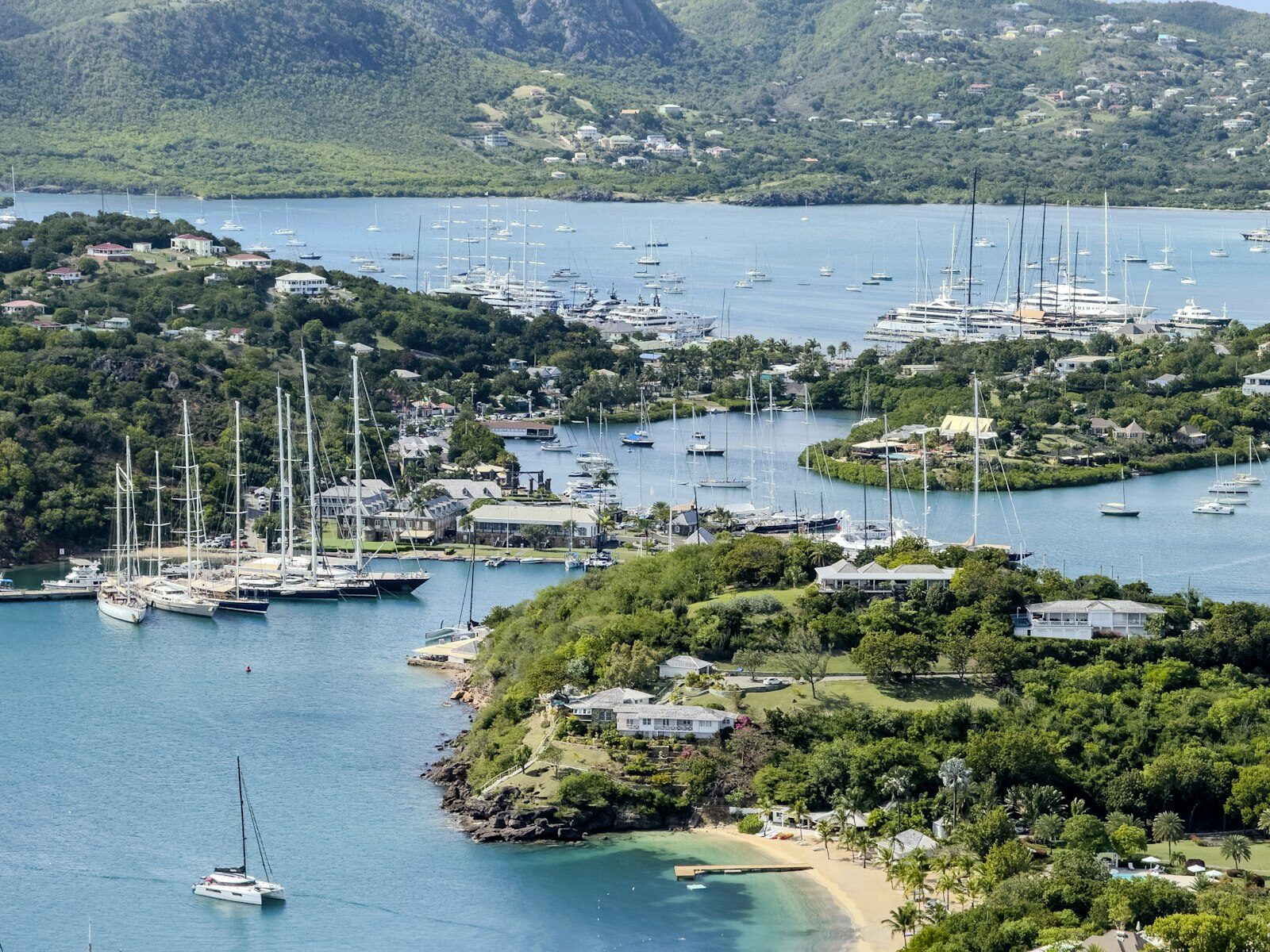
Further north lie Guadeloupe, Antigua with its historic Nelson's Dockyard in English Harbour, and St Martin, which France and the Netherlands share. Here the Atlantic is often rougher, the passages between the islands are longer. More in the Falmouth and English Harbour and Marina Fort Louis in Marigot.
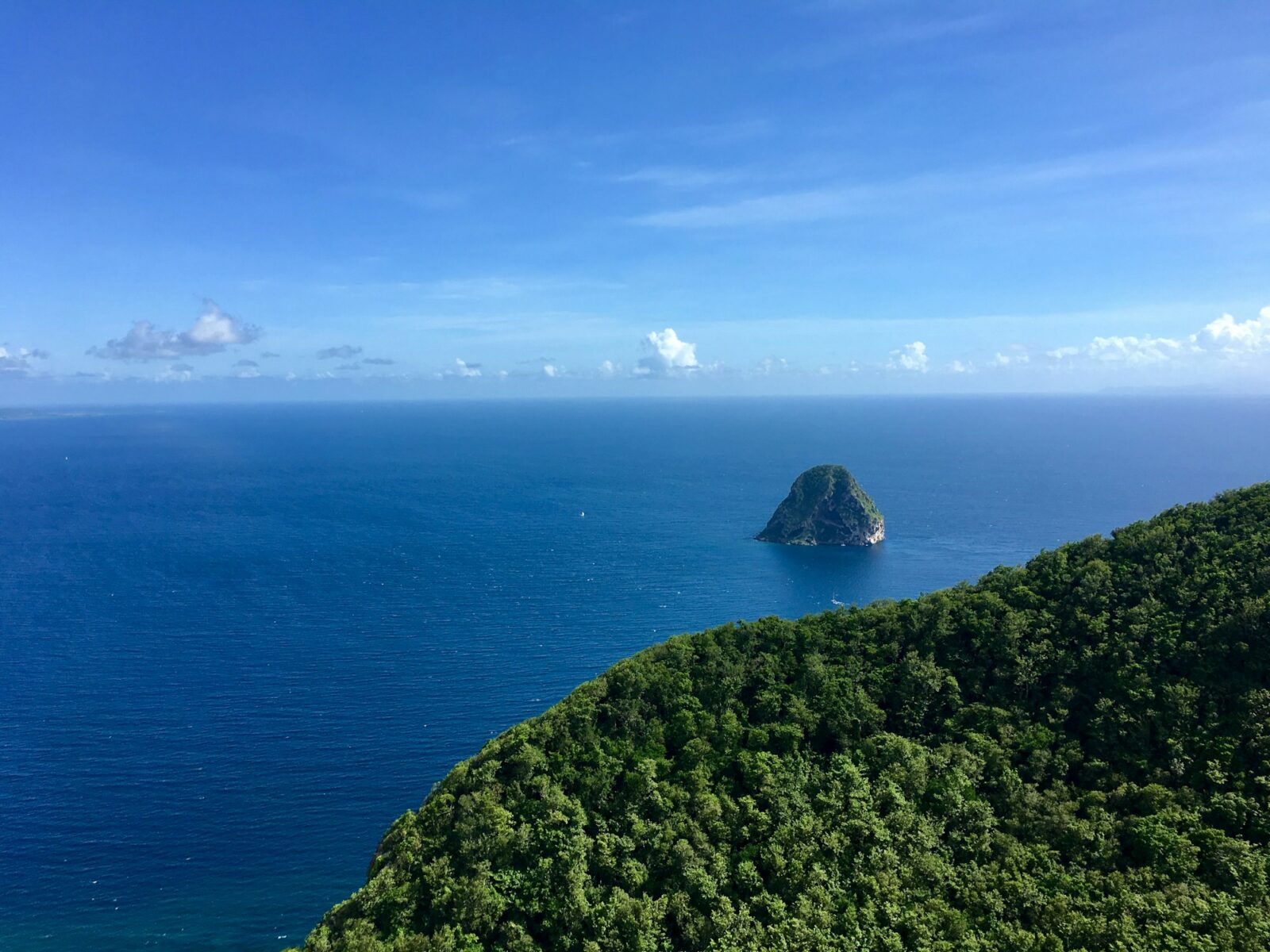
Many islands are volcanic, green and mountainous, such as the Pitons on St Lucia or Mont Pelée on Martinique. Ashore you'll find markets with spices and fruit, rum distilleries, Creole cuisine and steel band music. Underwater, reefs such as those in the Tobago Cays are worth snorkelling.
Anyone chartering a yacht themselves will find charter bases primarily on Martinique, Guadeloupe, St Vincent, Grenada and the British Virgin Islands. For route planning, cruising guides, charts and the harbour profiles in the sailing magazineare helpful. The marine weather forecast for the French Antilles is issued by Météo-France , warnings of tropical storms and hurricanes by the National Hurricane Center in the USA.
Most of the Caribbean trips listed here depart from Martinique, chiefly from Le Marin and Sainte-Anne, and from Grenada.


Other departure harbours are Fort-de-France on Martinique, Rodney Bay on St Lucia, Pointe-à-Pitre on Guadeloupe and Marigot on St Martin.
Getting there, marinas and destinations for ports where trips on this page start.
The best time of year for sailing holidays in the Caribbean is December to April. This is the dry season, when the trade winds blow steadily, and it's warm but less humid than in summer. Around Christmas and Easter the harbours are at their busiest.
From June to November is hurricane season, with most tropical storms passing through from August to October. During this period there are hardly any cabin charter trips. In November many yachts cross the Atlantic into the Caribbean; in spring they sail back to Europe via the Azores.
| Month | Air | Water | What to expect |
|---|---|---|---|
| November | 27 °C | 28 °C | End of the rainy season, first yachts from Europe |
| December | 27 °C | 28 °C | Season start, strong trade winds, Christmas in the Grenadines |
| January | 26 °C | 27 °C | Dry season, steady winds, most departure dates |
| February | 27 °C | 26 °C | Dry and sunny, carnival on many islands |
| Mar. | 28 °C | 26 °C | Driest period, consistent trade winds |
| April | 28 °C | 27 °C | End of high season, sailing regattas in Antigua |
| May | 29 °C | 27 °C | Last trips, the wind dies down |
Reference values for Fort-de-France in Martinique, air and water temperature according to klimatabelle.info. Individual years vary.
Most Caribbean trips depart between November and April, most frequently in January and February. From June to September there are hardly any dates.
All Caribbean trips published on Törnfinder for the next twelve months. As at: 14.11.2026.
Most trips in the Caribbean last ten to fifteen days. Week-long trips are mainly on traditional sailing vessels, plus there are mile-building trips and longer trips combined with an Atlantic crossing.
Enough time for the route from Martinique via St Lucia and St Vincent to the Grenadines, with days for swimming and snorkelling in the Tobago Cays.
On a historic sailing ship the crew sets the sails by hand and gets to know life aboard a tall ship.
Longer passages between the islands, often at night as well, to build up nautical miles for advanced sailing licences.
Prices per person from current listings, excluding offers for a private yacht charter with skipper. As at: 14.11.2026.
A trip of ten to fifteen days in the Caribbean costs usually 1,700–2,550 € per person, with a day on board costing around 130 € on average. How much exactly depends mainly on the boat, duration and travel dates.
| Trip duration | Price per person (usually) | per day | Dates |
|---|---|---|---|
| 7–9 days, week-long trip | 2,150–3,900 € | around 440 € | 35 |
| 10–15 days | 1,700–2,200 € | around 130 € | 176 |
| 16 days or more | 1,650–4,050 € | around 120 € | 16 |
| Week-long trip on a traditional vessel | 3,500–3,900 € | around 460 € | 25 |
"Usually" means: the middle half of offers falls within this range, the cheapest and most expensive quarters are not included. Week-long trips in the Caribbean take place mainly on traditional sailing vessels, which is why their price is higher than for the longer trips. Click on the duration to see matching trips.
On top of the trip price comes the flight to the Caribbean and usually the onboard kitty. There may also be fees for clearing in and out, for moorings and for marine parks such as the Tobago Cays. What is included in the price is stated in the trip description; what typically goes into the onboard kitty is explained in the article Kitty on a sailing trip.
Usually around 150–300 € per person per week, depending on what the group agrees, for example whether restaurant visits are included. On some boats, meals are already included in the price.
It is best to clarify in advance with the provider exactly what is included.
No. As crew you don't need a sailing licence, because it's not you but the skipper who commands the vessel.
Only those who helm the boat themselves need a boat licence. Anyone wanting to build nautical miles for the SSS or SHS will find Mile building in the Caribbean with longer passages and night sailing. Those who already have a licence can practise on a Skipper training. Sailing courses and theory seminars can be found under Courses & Seminars.
For the Caribbean pack light, in a soft bag, with very good sun protection and a light waterproof for brief showers.
With the usual weekly price and the next departure. Each card shows the matching trips there.
next departure 15.11.2026
next departure 28.11.2026
next departure 15.11.2026
Besides classic crew trips, these trip types are offered most often here.
Long passages with night sailing, many miles in a short time.
next departure 20.11.2026
Race as crew, with tactics and teamwork on board.
next departure 27.01.2027
By ship to Hanse Sail, Kiel Week and other harbour festivals.
next departure 04.01.2027
These pages show all current trips, ports and the best time to sail for each part of the area.
Here you will find short answers to the questions that most often come up before a sailing trip in the Caribbean.
Most easily through portals where many providers advertise their trips, so you can compare dates, boats and prices. On Törnfinder you send your enquiry directly to the provider, who confirms your place and enters into the contract with you. Törnfinder itself is not an organiser.
A trip of ten to fifteen days, the most common form in the Caribbean, costs usually 1,700–2,550 € per person. On top of that come the flight, the kitty, covering food, berths and buoys, as well as fees for checking in and out and for marine parks. The kitty usually comes to about €150–300 per person per week.
December to April. That's the dry season, the trade winds blow steadily from the east, and it's warm but not humid. Most trips on Törnfinder start in January and February.
The Atlantic hurricane season officially runs from 1 June to 30 November, with most storms occurring from August to October. There are hardly any cabin charters during this period; many yachts then lie further south, such as on Grenada, or have sailed back across the Atlantic.
Yes. Alongside sailing schools and commercial skippers, private owners also look for crew for their yacht, perhaps for a few weeks between the islands or for the Atlantic crossing. Costs are then usually shared amongst the crew. As with any trip, it's worth clarifying beforehand what's included in the price and who has insured the boat.
Hand for a bunk means you work on board – standing watches, maintenance or helping in the galley – and in return you pay little or nothing for your berth. In the Caribbean this mainly occurs on deliveries and Atlantic crossings. You still usually cover your own flight and your share of the ship's kitty.
Most trips sail in the Lesser Antilles, the chain of islands in the eastern Caribbean: Martinique, St Lucia, St Vincent and the Grenadines with Bequia, Mustique and the Tobago Cays, plus Grenada and Carriacou. Further north lie Guadeloupe, Antigua and St Martin.
Yes. With cabin charter you book an individual berth, and the provider allocates the remaining berths to other crew. Many crews come together this way, and even solo travellers find companionship.
No, not as crew. The skipper commands the vessel. Only those who want to charter and command a yacht themselves need a boating licence.
From Germany you usually reach Martinique with a change in Paris. From the airport near Fort-de-France to Le Marin in the south of the island is about an hour by car. Many providers describe the journey in the trip description.
Use the filter to narrow down by vessel type, trip type and dates, and send your enquiry directly to the provider.