Blue water · Atlantic

Atlantic crossing: Cabin charter across the Atlantic

On an Atlantic crossing you sail for two to three weeks over the open ocean, usually from the Canary Islands or Cape Verde Islands with the trade winds to the Caribbean. In spring the northern route takes you back to Europe via the Azores. As crew you are part of the team, stand watch and experience nights under the stars far from any coast. You don't need a sailing licence for this.

Updated: 29 October 2026 · Redaktion toernfinder.de
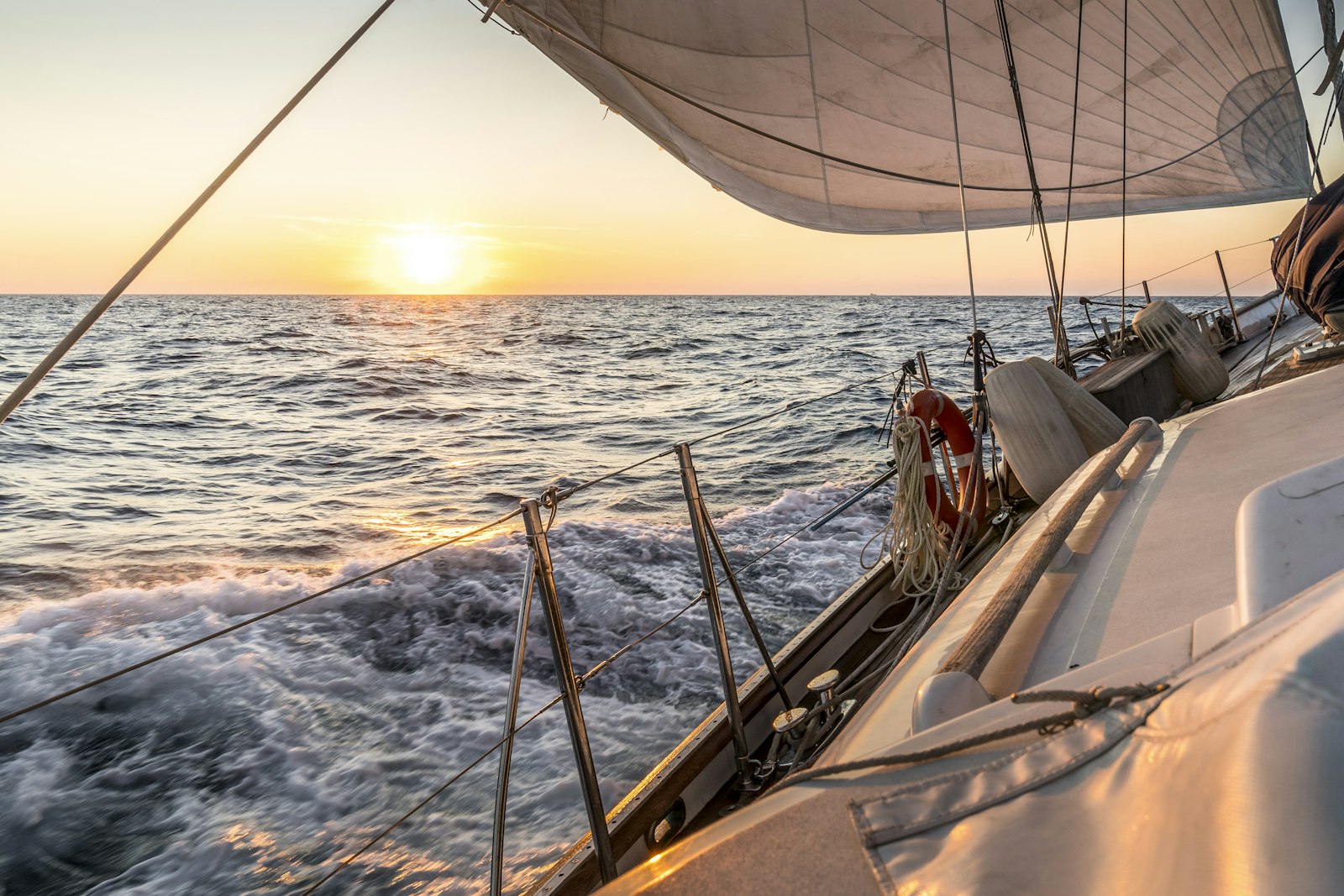
Sailing yacht under sail on the open sea at sunset
26 current trips
from 16 providers compared

The essentials at a glance

Season
October to May, usually November and May
Duration
Usually 2–4 weeks, of which 14–21 days at sea
Most common departure ports
Mindelo, Falmouth, Guadalupe, St. Maarten and Fort-de-France
Requirements
No sailing licence required
Crossing per person
usually 2,950–5,800 €

Current Atlantic crossings for cabin charter

Here you see a changing selection of current trips that start on one side of the Atlantic and end on the other: from the Canary Islands, Madeira or Cape Verde Islands to the Caribbean, from the Caribbean via the Azores to Europe or across the South Atlantic to Brazil. Use the buttons to narrow the list by trip type. Your enquiry goes directly to the provider, booking is also directly with them.

Cabin charter

from Cape Verde to Grenada…

Palmeira/Sal13.12.202621 days

Andreas Kreutzer Segelreisen
from 2,970 €
View trip
Cabin charter

Catamaran cabin charter from Bermuda to the Azores

Hamilton / Bermuda24.05.202717 days
Segelwolf.com
from 1,895 €
View trip
Mile building

Atlantic Crossing. Ocean School/Travel/Mile building: Caribbean to Azores

Guadalupe07.04.202723 days

Julio Verne Nautica
from 3,499 €
View trip
Cabin charter

Across the Atlantic on the 'barefoot route'

Mindelo / Cape Verde Islands05.12.202617 days
Sailing-Classics
from 6,900 €
View trip
Cabin charter

Atlantic crossing from Las Palmas to Sint Maarten (Netherlands Antilles – Caribbean)

Las Palmas10.12.202620 days
INMARIS Windjammer Worldwide
from 4,185 €
View trip
Cabin charter

Atlantic | Antigua – Azores – Hamburg aboard the Peter von Seestermühe

Nelson's Dock.. Antigua24.04.202735 days

klassiker segeln
from 5,240 €
View trip
How cabin charter works on an Atlantic crossing

On an Atlantic crossing you book a berth on board, not the whole vessel. The skipper plans the route, commands the vessel and bears responsibility. You are part of the crew, stand watch, help with the sailing and with cooking.

At sea you sail around the clock. The crew divides into watches of usually three to four hours. Before departure a few days remain in harbour to prepare the vessel, load provisions and brief the crew. If you only want to sail part of the distance, you'll find shorter legs between the Atlantic islands.

Crew wanted: commercial or private

Atlantic crossings are offered by sailing schools, skippers with their own business and operators of traditional ships. In addition, owners seek crew for the passage who will contribute to the ship's kitty. This special form is called Working passage. On Törnfinder you find both, the trip type is stated in the description.

Yacht, catamaran or tall ship

Most crossings take place on cruising yachts with four to eight crew. Catamarans sail without heeling and offer more space. On a traditional sailing ship or tall ship you are part of a large crew and set the sails by hand.

The routes across the Atlantic

Most Atlantic crossings follow two routes: in winter on the trade wind route from the Canary Islands or Cape Verde Islands to the Caribbean and in spring on the northern route from the Caribbean via the Azores back to Europe.

Both routes follow the major wind systems. In the south the north-east trade wind blows steadily westward, in the north lie the westerlies. Between them lies the Azores High with little wind, which the routes circumnavigate.

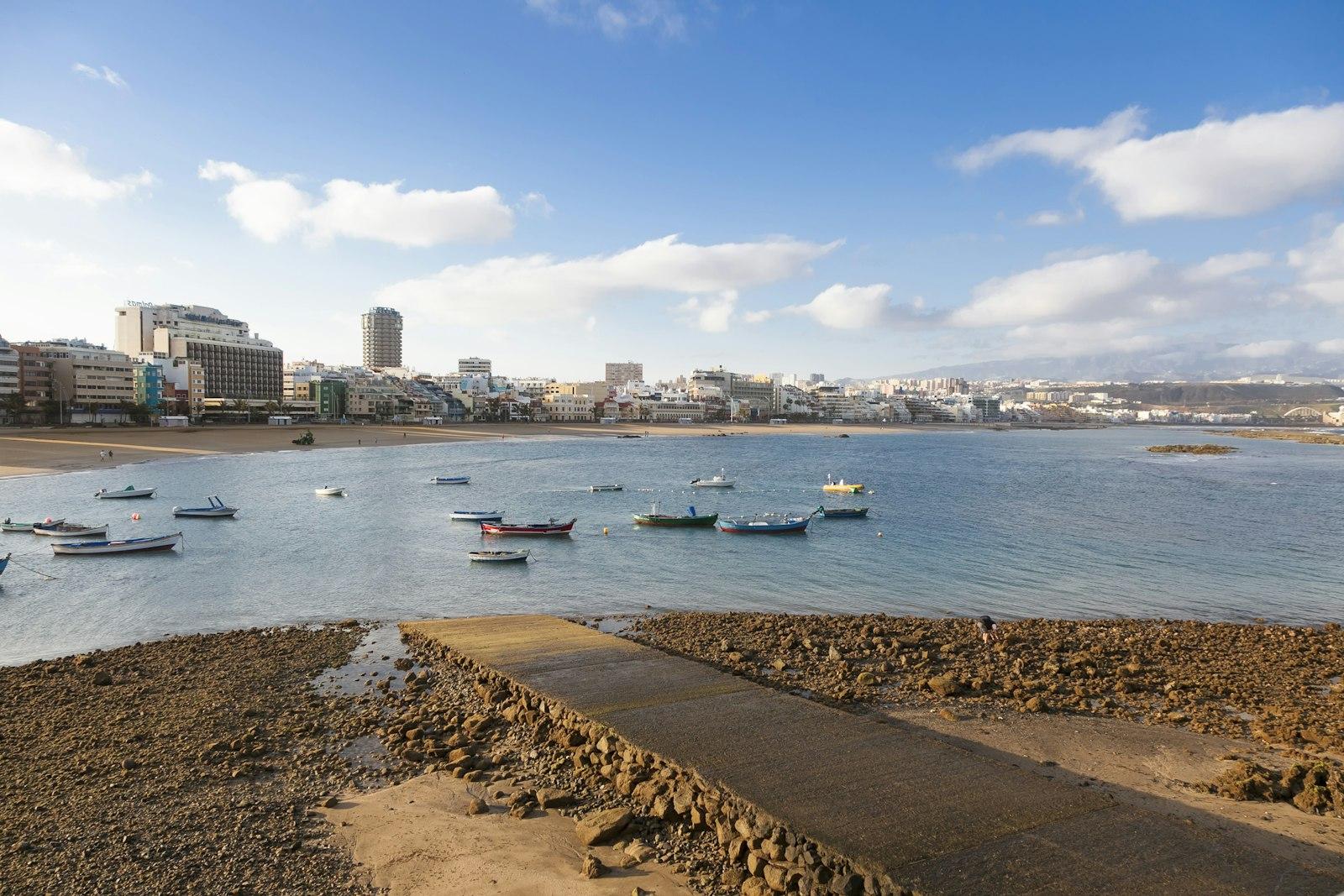
Harbour bay of Las Palmas on Gran Canaria

East to west: Canary Islands – Caribbean

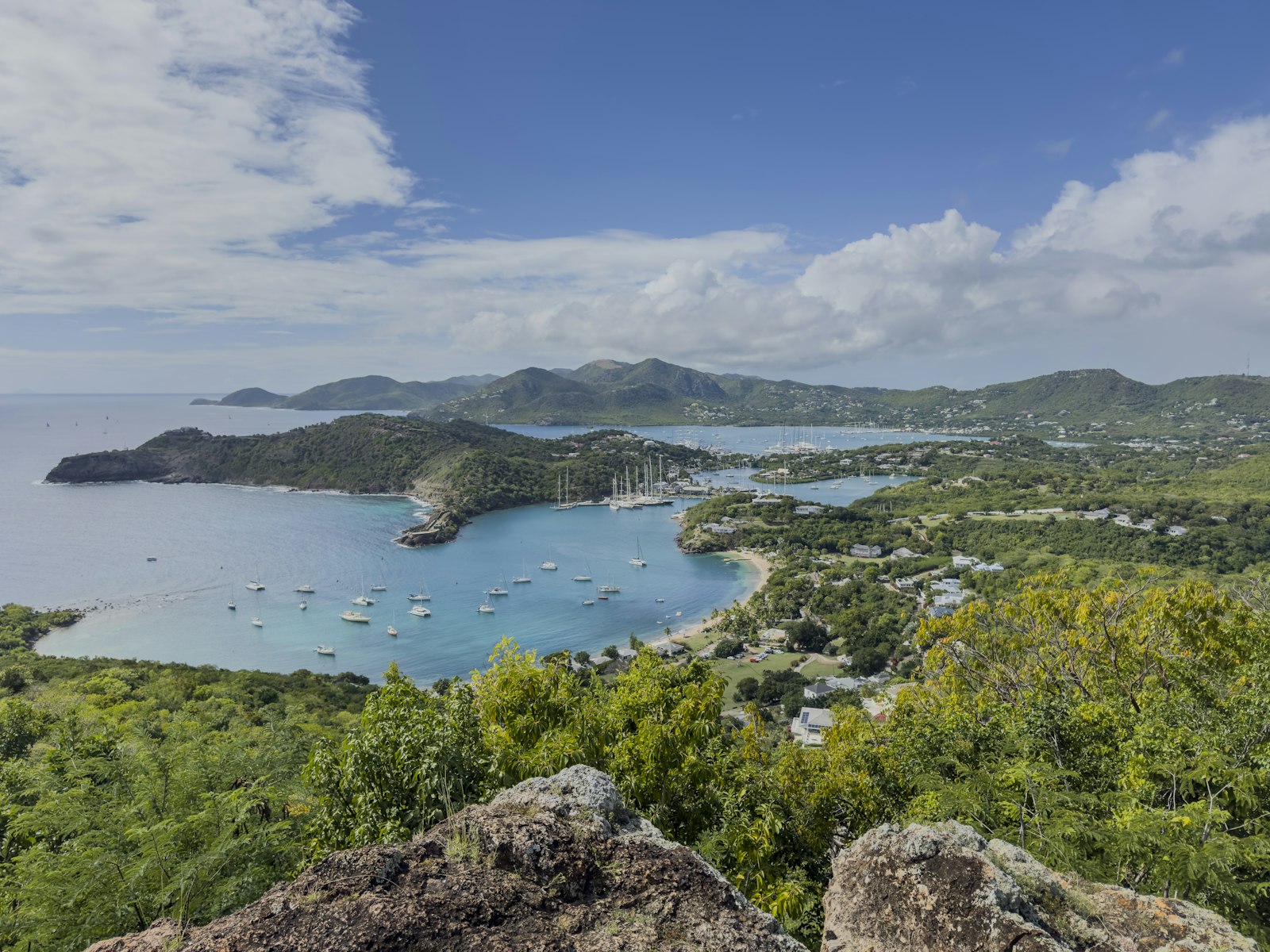
The classic trade wind route usually begins in Las Palmas on Gran Canaria. From there you sail south until the trade winds blow steadily, then head west with the wind astern. Destinations are St Lucia, Martinique, Antigua or Grenada. Around 2,700 nautical miles, typically 18 to 21 days at sea.

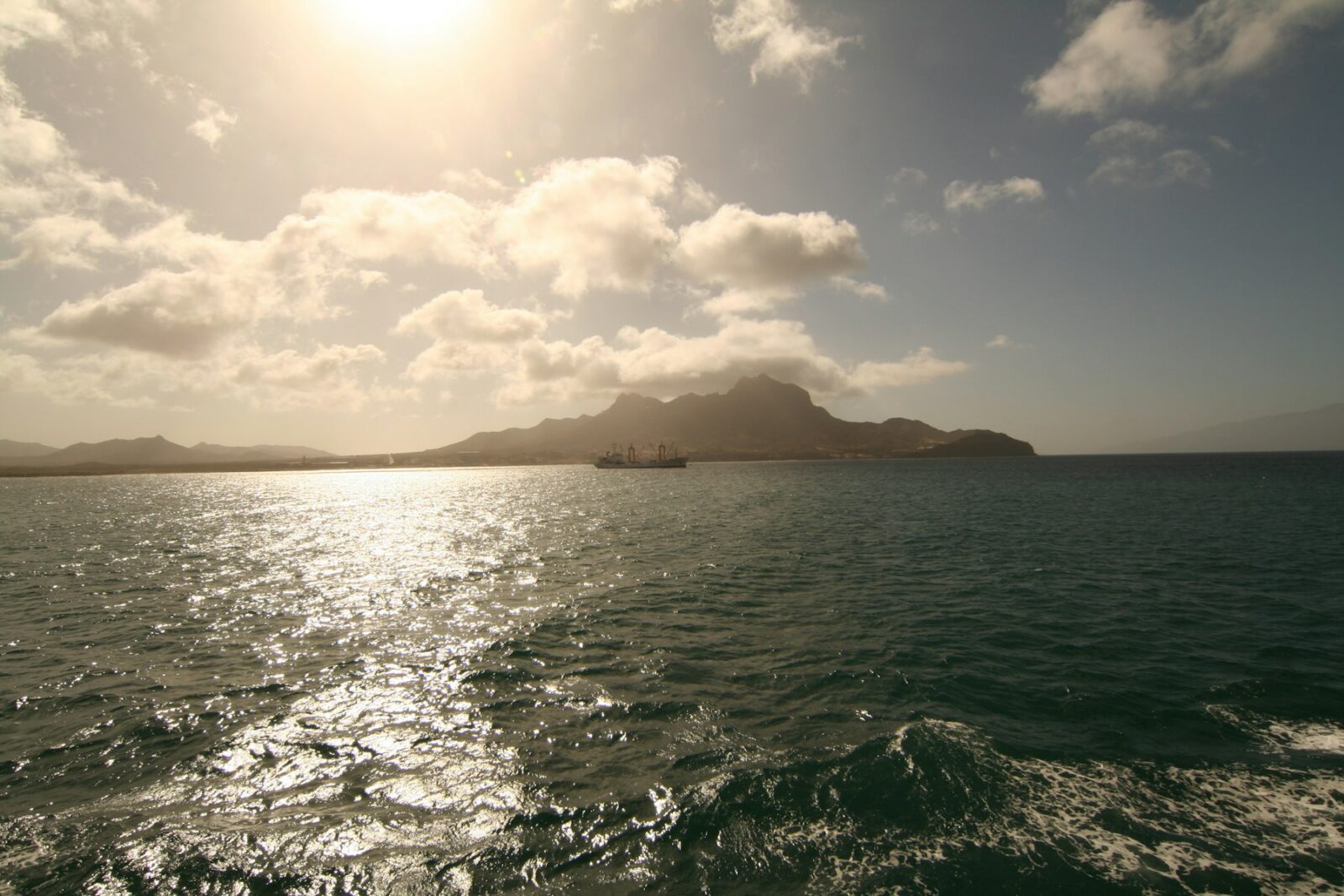
Bay of Mindelo on São Vicente

Via Cape Verde

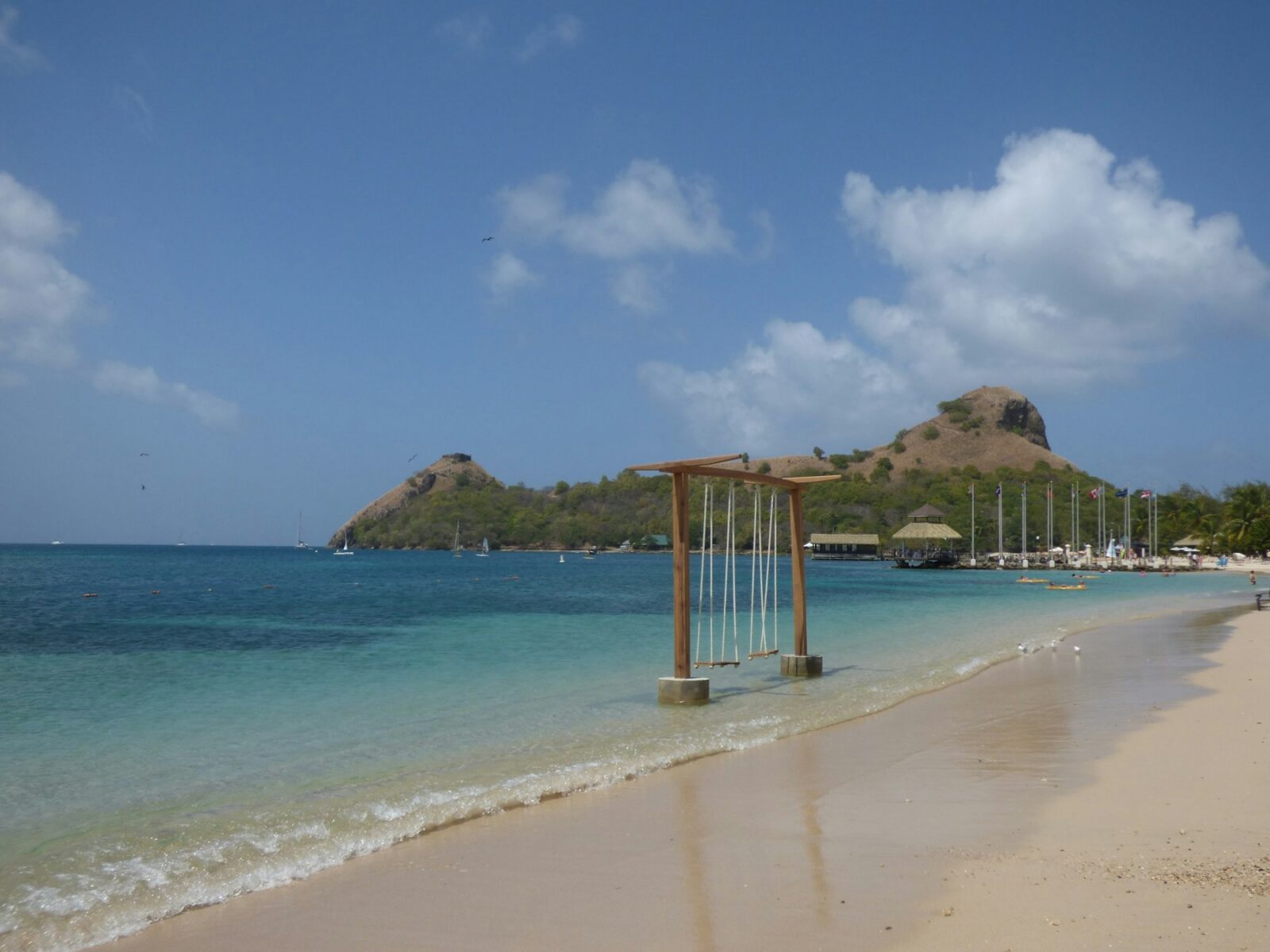
Many yachts make a stopover in Mindelo on São Vicente. The crossing then splits into around 850 nautical miles from the Canary Islands to Cape Verde and around 2,100 nautical miles onwards to the Caribbean. This provides a break after the first week.

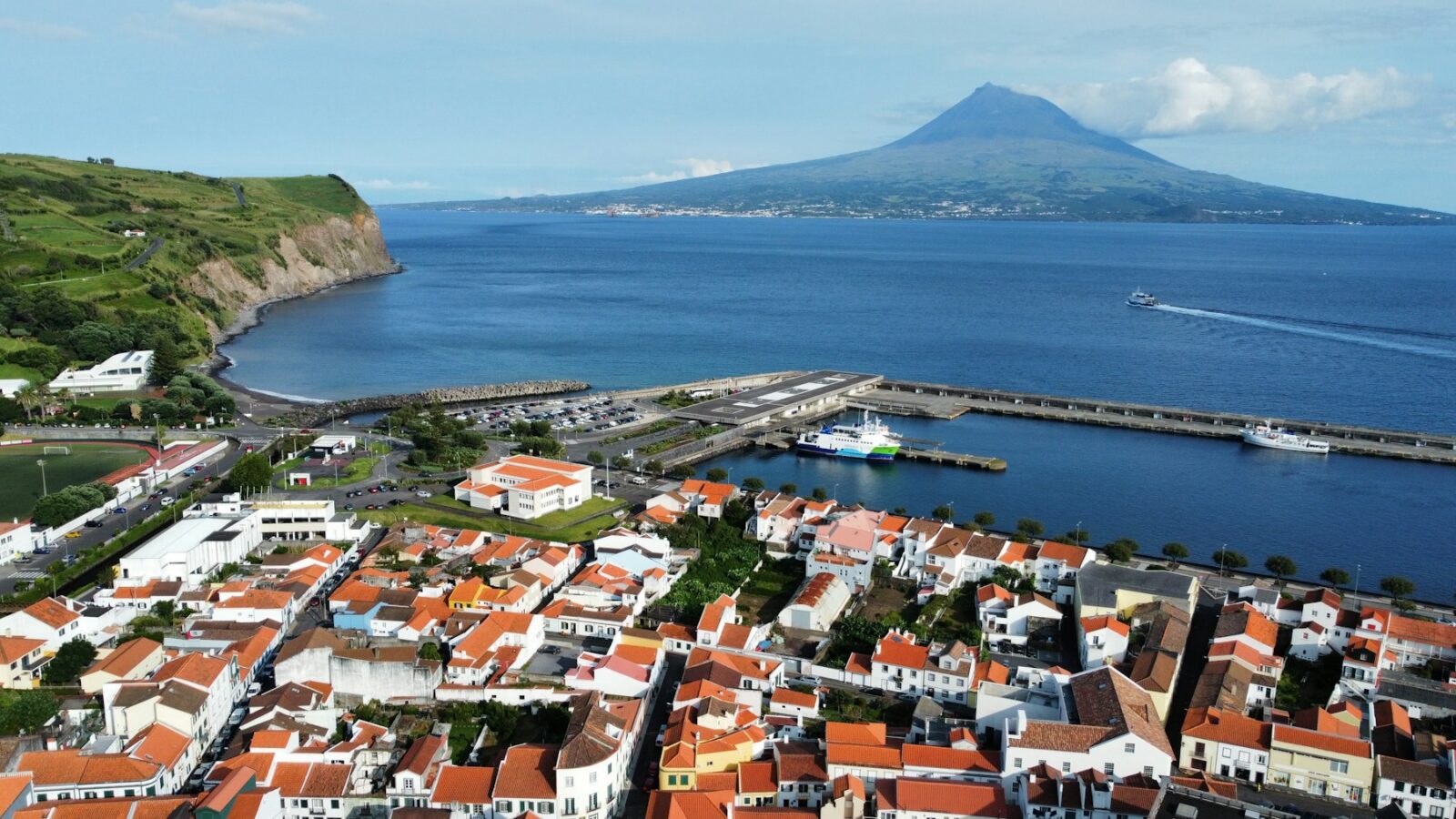
Marina Horta on Faial

West to east: Caribbean – Azores – Europe

In spring the route runs from Antigua, Sint Maarten or Bermuda northwards to the Azores and from there to Portugal, Spain or France. The route is cooler and more changeable, but the harbour of Horta on Faial is an experience in itself.

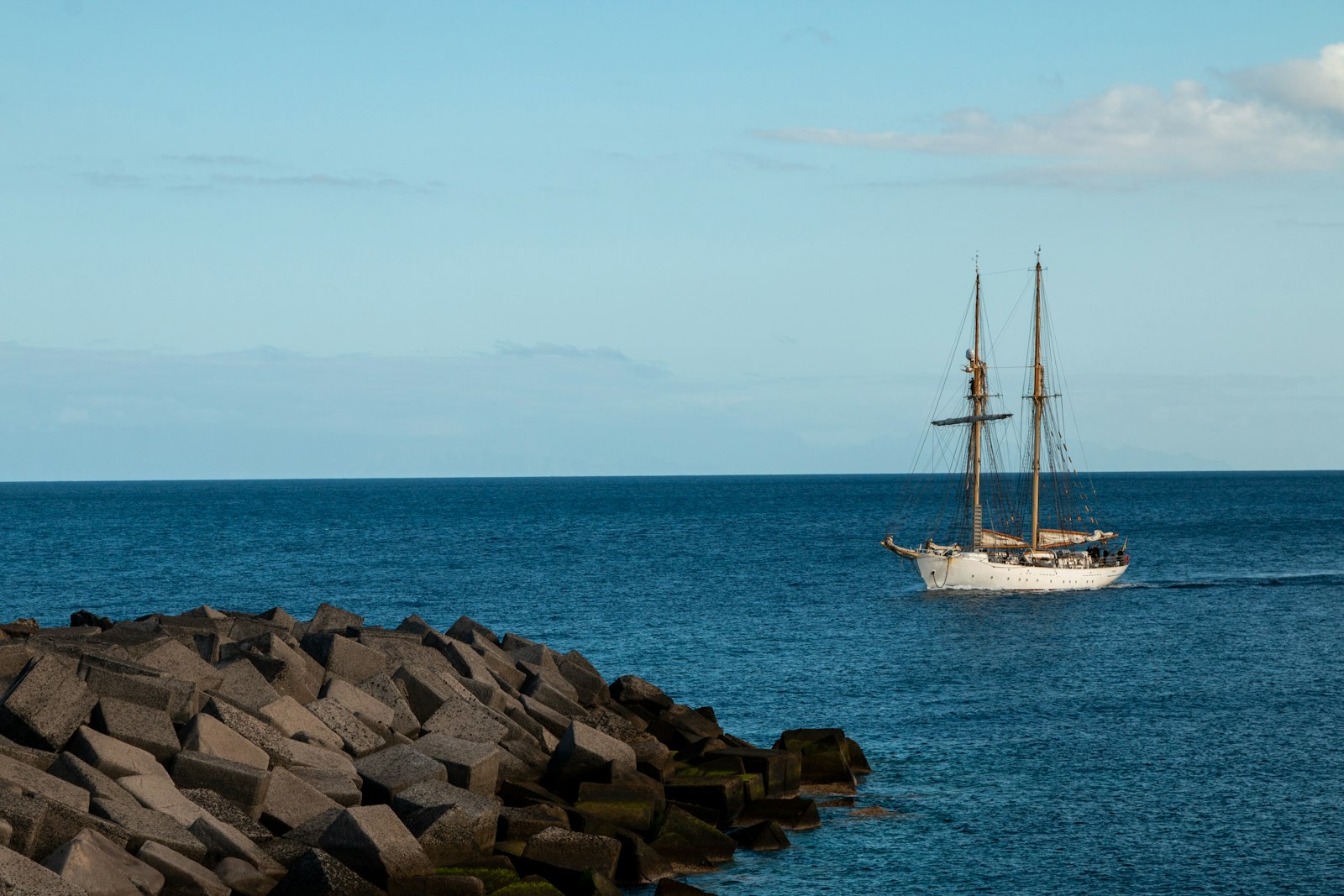
Sailing ship off the coast of Tenerife

South Atlantic and alternative routes

Less common are crossings across the South Atlantic to Brazil, routes to Bermuda or delivery trips from America to Europe. You will also find these under Atlantic crossings as soon as a provider publishes them.

Wind, weather and hurricane season

On the trade wind route the wind typically blows at force 4 to 6 from astern, the swell is long and high. Squalls, short rain showers with strong winds, occur mainly at night. On the return route via the Azores the crew must expect low-pressure systems and gale-force winds. The hurricane season runs from 1 June to 30 November, so westbound crossings do not start until late autumn.

Deep-sea weather reports for the North Atlantic are issued by the French weather service Météo-France , warnings of tropical storms by the National Hurricane Center (NOAA) in the United States. At sea the skipper receives weather data via satellite.

The ARC and other rallies

Since 1986 the ARC (Atlantic Rally for Cruisers) has started every November with over 200 yachts in Las Palmas, the destination is Rodney Bay on St Lucia. The 2026 start is on 22 November. In the ARC+ the fleet makes a stopover in Mindelo and sails on to Grenada. Many providers on Törnfinder sail with the ARC or start in the same weeks.

Törnfinder data

Atlantic crossings in figures

Analysed: all Atlantic crossings published on Törnfinder. As at: 25.11.2026.

Most common departure ports

  1. 1Mindelo6 trips
  2. 2Falmouth4 trips
  3. 3Guadalupe3 trips
  4. 4St. Maarten2 trips
  5. 5Fort-de-France2 trips
27 %take place on a traditional ship or tall ship
9different departure ports
20countries on offer, led by Portugal and Antigua and Barbuda
3trips start within the next 30 days

As of 25.11.2026: Törnfinder lists around 30 Atlantic crossing trips from 16 providers. Most sail from one port to another and 27 % take place on a traditional ship or tall ship. Most trips start in Mindelo, Falmouth and Guadalupe, and most departures are in April and May. Atlantic crossings here count only trips that begin in Europe, Africa or the Atlantic islands and end in America, the Caribbean or Bermuda, or vice versa. Stages between Atlantic islands can be found further below.

How these figures are calculated

The analysis includes all trips published on Törnfinder with departure on one side and destination on the other side of the Atlantic and start date from today onwards; the figures are recalculated twice daily. Prices are those stated by providers per person; offers for a private yacht with skipper, which are charged per boat, are not included in the price data. "Typically" denotes the middle half of offers, excluding the cheapest and most expensive quarters. Departure harbour counts as the starting harbour named in the listing, a round trip as a trip with the same departure and destination harbour. The texts on this page are written and reviewed by the editorial team at toernfinder.de.

Departure and destination harbours for an Atlantic crossing

Most westbound crossings begin in Las Palmas on Gran Canaria or in Mindelo on Cape Verde and end on St Lucia, Martinique, Antigua or Grenada. On the return route Horta on the Azores is the most important stopover.

The harbour profiles in the sailing magazine show what awaits you in these harbours: berths, facilities, travel connections and what you can do before or after the crossing.

Other harbours include Ponta Delgada in the Azores or Port Louis in Grenada, can be found in the sailing magazine under Sailing Areas & Harbours.

Best time of year for an Atlantic crossing

Westward crossings to the Caribbean take place from late November to January; eastward returns to Europe in April, May and June. Hurricane season runs from June to November.

The table shows when each route is sailed. The chart below shows when the Atlantic crossings published on Törnfinder actually depart.

MonthTypical routeWhat to expect
OctoberEurope → Canary Islands, MadeiraPositioning legs; yachts gather for the crossing
NovemberCanary Islands, Cape Verde Islands → CaribbeanEnd of hurricane season; ARC start in Las Palmas
DecemberCanary Islands, Cape Verde Islands → CaribbeanSteady trade winds; Christmas at sea or in the Caribbean
JanuaryCanary Islands, Cape Verde Islands → CaribbeanStrong trade winds; fast passages
February–MarchCanary Islands → Caribbean, Caribbean → BrazilLast westbound crossings; trips in the Caribbean
April–JuneCaribbean, Bermuda → Azores → EuropeEastward return route; cooler and more changeable
June–November–Caribbean hurricane season; hardly any crossings

Rule of thumb for the two main routes. Hurricane season in the North Atlantic officially runs from 1 June to 30 November.

When the trips start

Most Atlantic crossing trips start in April and May. Trips are available from October to May.

All Atlantic crossings published on Törnfinder for the next twelve months. As at: 25.11.2026.

Atlantic crossing as a sailing trip: which type suits you?

A complete crossing usually takes three to four weeks. Those with less time can sail one leg of the Atlantic route.

Prices per person from current listings, excluding offers for a private yacht charter with skipper. As at: 25.11.2026.

Stages on the Atlantic

If you have less time, sail a stage of the Atlantic route, such as from Europe to Madeira, from Madeira to the Canaries or from the Azores back to Portugal. You sail as on the great crossing with watches and night passages.

A stage counts as a trip with departure and destination in different Atlantic areas on the same side of the Atlantic, such as Europe, Madeira, the Canaries, the Azores or Cape Verde Islands. Status: 25.11.2026.

How much does an Atlantic crossing cost as crew?

An Atlantic crossing of more than 15 days costs usually 2,950–5,800 € per person, with a day on board costing around 140 € on average. The exact amount depends primarily on vessel, route and duration.

Trip durationPrice per person (usually)per dayDates
16 days or more2,850–5,400 €around 140 €25

"Usually" means: the middle half of all offers falls within this range; the cheapest and most expensive quarters are not included. Click on the duration to see the corresponding trips.

In addition to the trip price there are two flights, usually an outbound flight to the Canaries or Cape Verde Islands and a return flight from the Caribbean, and the crew kitty. On a long crossing it is higher because of provisions and diesel than on a week-long trip. What is included in the price is stated in the trip description; what typically goes into the crew kitty is explained in the article Kitty on a sailing trip. Also check whether your international health insurance covers repatriation from sea.

What's included in the price and what goes into the crew kitty

Included in the trip price
  • Your bunk on board
  • The vessel
  • The skipper
Usually via the crew kitty
  • Food
  • Hafengeld
  • Diesel

Usually around 150–300 € per person per week, depending on what the group agrees, for example whether restaurant visits are included. On some boats, meals are already included in the price.

It is best to clarify in advance with the provider exactly what is included.

Our price report shows typical prices by sailing area, country and boat.

Do I need sailing experience for an Atlantic crossing?

You do not need a sailing licence because the skipper is in command of the vessel. Many providers also take beginners.

More important than experience are team spirit, good health and the willingness to stand night watches. If you have never been at sea before, it is best to gain some experience first on a shorter Atlantic stage or on a week-long trip. For the Sportseeschifferschein (SSS) and the Sporthochseeschifferschein (SHS) you need documented nautical miles, and you will collect a great many on a crossing. You can find sailing courses and theory seminars under Courses & Seminars.

View Atlantic crossings →More on mile building

What should you pack for an Atlantic crossing?

For the trade wind route you mainly need sun protection and light clothing, but for night watches and the northern route also good foul-weather gear and warm layers.

  • Offshore foul-weather gear with jacket and trousers, sea boots and sailing gloves.
  • Warm layers of fleece or merino wool for night watches.
  • Strong sun protection, cap, sunglasses with strap and long-sleeved, light clothing.
  • Head torch with red light, seasickness remedies and your personal medication for several weeks.
  • Books, audiobooks and music offline — internet is scarce at sea.
  • Passport, a soft bag that fits into any bunk, and your return flight ticket or confirmation that you are leaving the Caribbean again.

Frequently asked questions about Atlantic crossings

Here you'll find brief answers to the questions that come up most often before an Atlantic crossing as crew.

How long does an Atlantic crossing take by sailing boat?

From Las Palmas on Gran Canaria to St Lucia in the Caribbean it's roughly 2,700 nautical miles. A cruising yacht usually needs 18 to 21 days. From Cape Verde to the Caribbean it's around 2,100 nautical miles, so two to three weeks. Together with travel to and from and the days in harbour, you should allow three to four weeks for a crossing.

How much does an Atlantic crossing cost as crew?

A crossing of more than 15 days costs usually 2,950–5,800 € per person. On top of that come the flights, usually an outbound flight to Europe and a return flight from the Caribbean, and the onboard kitty for food, diesel and harbour fees. The onboard kitty is usually around 150–300 € per person per week.

When is the best time for an Atlantic crossing?

From east to west, i.e. from the Canary Islands to the Caribbean, from late November to January. By then the hurricane season is over and the north-east trade wind blows steadily. From west to east, i.e. from the Caribbean via the Azores to Europe, in April, May and June, before the next hurricane season begins.

What is the ARC?

The ARC (Atlantic Rally for Cruisers) is the best-known Atlantic rally for cruising yachts. Since 1986, over 200 yachts have set off every November from Las Palmas on Gran Canaria and sailed to Rodney Bay on St Lucia. The 2026 start is on 22 November. In the ARC+, the fleet makes a stopover in Mindelo on Cape Verde and then sails on to Grenada. On Törnfinder you'll also find berths on yachts taking part in the ARC.

Can you join an Atlantic crossing for free?

Sometimes. Some owners look for crew for the crossing and only ask for a share of the kitty — this is called hand for a bunk. Such places are rare and usually tied to experience. Most places on Törnfinder are offered by skippers and sailing schools for a fee. More on the page Working passage.

Do I need sailing experience for an Atlantic crossing?

You don't need a sailing licence as crew, the skipper commands the boat. Many providers also take beginners, team spirit, health and willingness to stand night watches are more important than experience. Whether prior knowledge is required is stated in the trip description.

What is the Barefoot Route?

That's the name for the classic trade wind route from the Canary Islands to the Caribbean. You sail south first, until the north-east trade wind blows steadily, often near Cape Verde, and then westward with the wind astern. It gets so warm that you go barefoot on deck.

Can you also sail from the Caribbean to Europe?

Yes. In spring many yachts sail from Antigua, Sint Maarten or Bermuda to the Azores and from there on to Portugal, Spain or France. This route is cooler and more changeable than the trade wind route, because you sail north around the Azores High. From the Caribbean to the Azores it's around 2,000 to 2,300 nautical miles.

Can I sail across the Atlantic on a tall ship?

Yes. Traditional sailing ships and tall ships also cross the Atlantic and take paying crew on board. There the crew set the sails by hand and keep watches just as on a yacht. These crossings currently cost usually 6,450–7,000 € per person.

What is daily life on board like during an Atlantic crossing?

You sail around the clock. The crew divides into watches, usually of three or four hours, in between you sleep, cook and maintain the vessel. Internet is often only available via satellite phone or Starlink, for weather forecasts and brief messages.

Find an Atlantic crossing as crew

Use the filter to narrow down by vessel type, trip type and dates, and send your enquiry directly to the provider.