

This page was translated automatically from German. View the original
What sights does a Croatia holiday offer? Croatia is famous for its breathtaking coastline, which extends for more than 2,000 kilometres and encompasses more than 1,000 islands. Here are the top 20 highlights and sights of Croatia that you should not miss.
The essentials at a glance
- The Plitvice Lakes National Park The SSS and the Krka National Park are among the most spectacular natural wonders of Croatia and are renowned for their magnificent waterfalls and picturesque landscapes. A Croatia trip would be incomplete without visiting these natural wonders.
- Dubrovnik and Split are two of Croatia's most significant historic cities, which impress with their mediaeval architecture and cultural offerings.
- The Croatia's island world, including Hvar and the island of Pag, offers a diversity of dream beaches and picturesque bays, ideal for varied leisure and water sports activities.
The best sights in Croatia

View of Croatia's stunning national parks and historic cities
Croatia, a country full of contrasts and beauty, offers an impressive wealth of Croatian sights that captivate every visitor. From the emerald-green waterfalls of Plitvice Lakes National Park to the majestic Old Town of Dubrovnik – the top sights in Croatia are as diverse as the country itself.
In this section, we shall embark on a journey to the absolute highlights that you should on no account miss during your Croatia holiday. Let us discover together the natural wonders, historic treasures and cultural gems that make Croatia one of Europe's most fascinating destinations.
Plitvice Lakes National Park
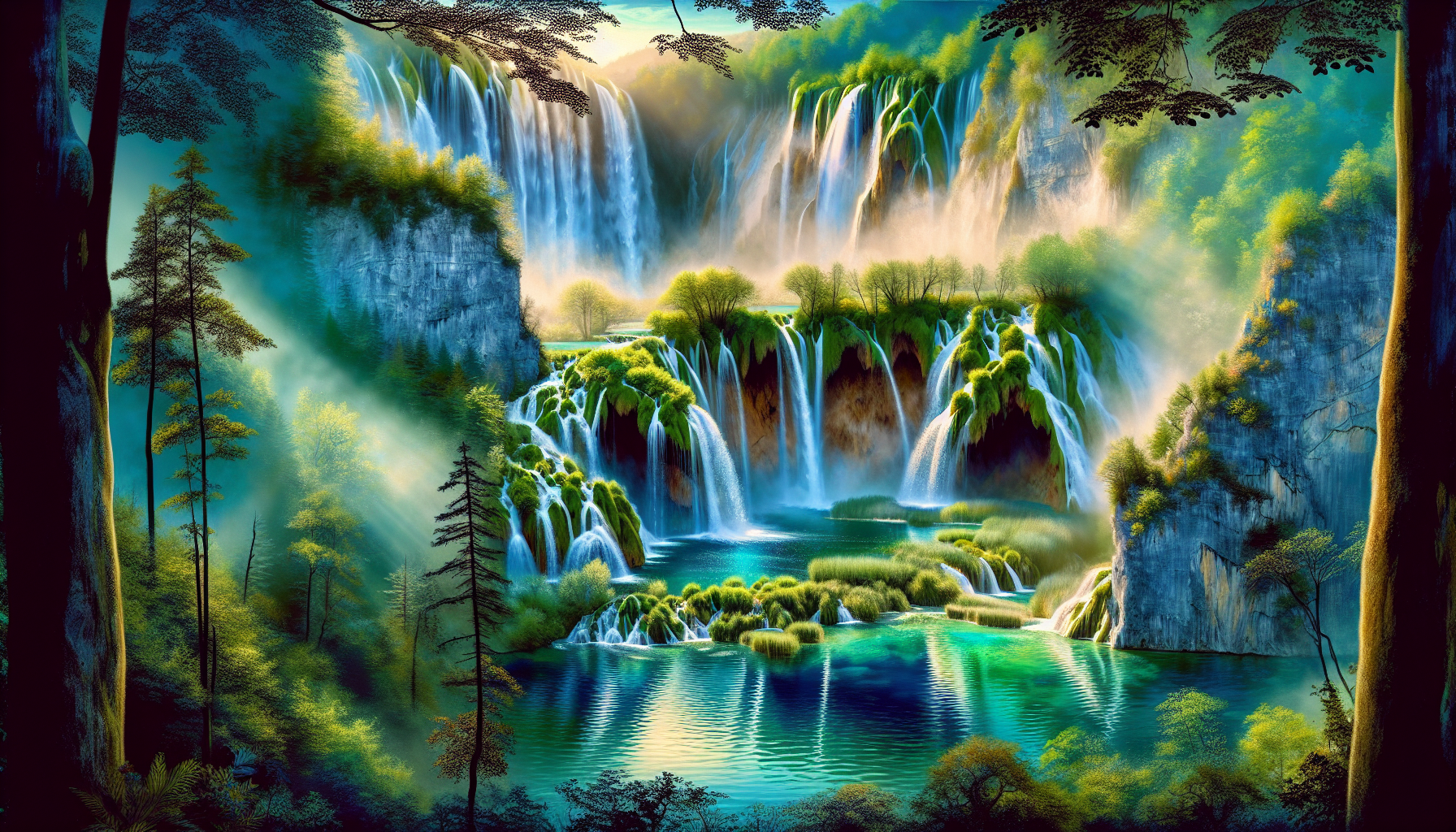
The spectacular waterfalls of Plitvice Lakes National Park
Plitvice Lakes National Park is undoubtedly one of the most breathtaking natural wonders of Croatia and an absolute must for every visitor. As the largest and oldest national park in the country, it is home to a unique ecosystem of 16 interconnected lakes, which are linked by a multitude of spectacular waterfalls. The turquoise and emerald-green expanses of water, nestled in lush forests, offer a truly magical panorama that captivates visitors from all over the world.
To experience this natural paradise in all its splendour, visitors can choose between various routes offering different levels of difficulty and lengths. A particular highlight is the journey on the panoramic train or the electric boat, which afford a unique perspective on the water landscape. It is important to note that swimming in the lakes is not permitted in order to protect the delicate ecosystem.
For an optimal experience, it is advisable to arrive early in the morning, when nature still lies in pristine silence. To avoid long waiting times, it is advisable to book tickets online in advance – so you can devote your valuable time entirely to enjoying this unique landscape.
Dubrovnik
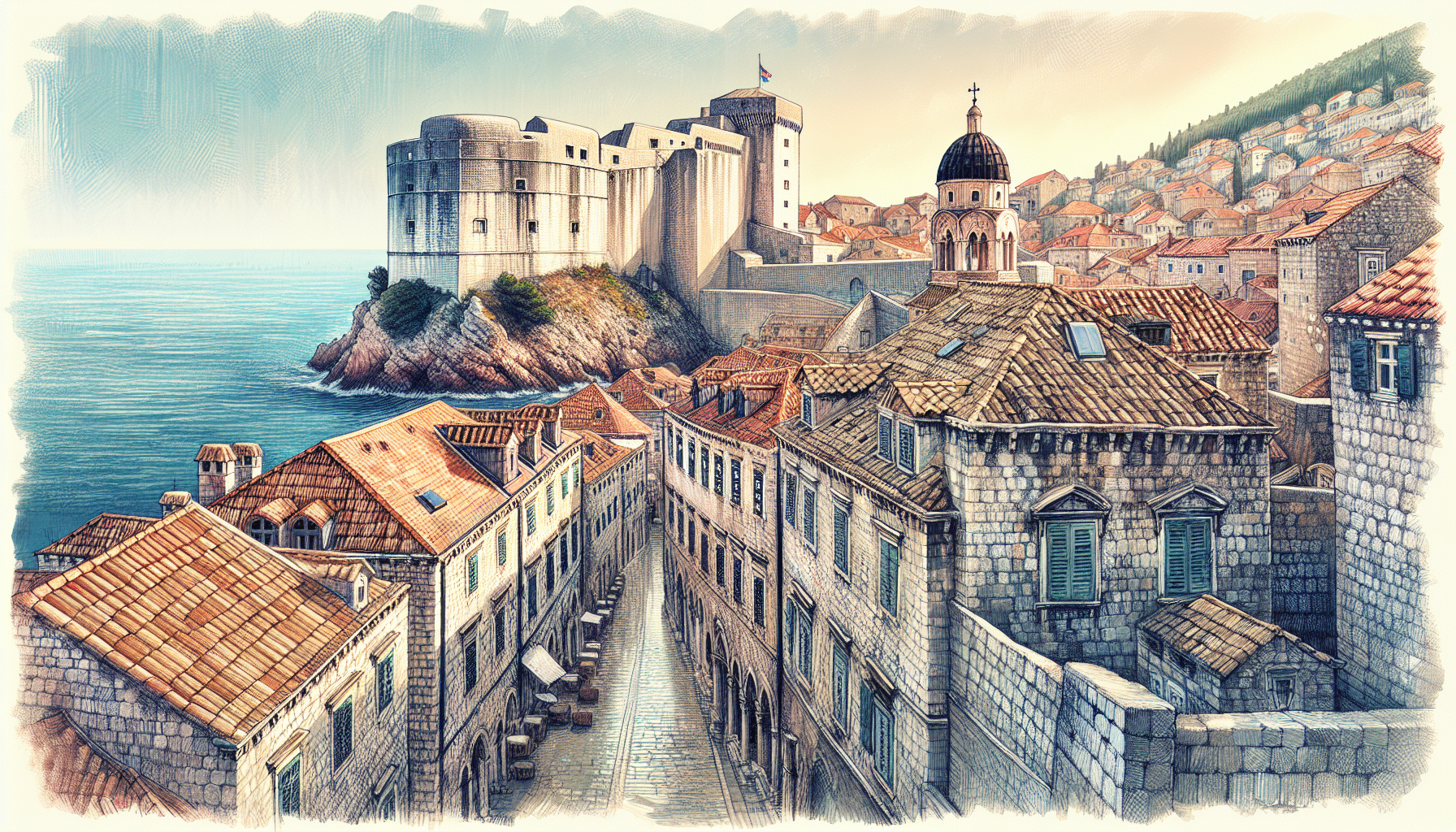
Historic Old Town of Dubrovnik on the Adriatic coast
Dubrovnik, often referred to as the "Pearl of the Adriatic", is a city that enchants every visitor with its timeless beauty and rich history. The impressive Old Town, surrounded by massive city walls, is a living museum of mediaeval architecture and has been justly designated a UNESCO World Heritage Site . Strolling through the narrow streets feels like being transported to another era, surrounded by magnificent Baroque buildings, Gothic palaces and the majestic cathedral.
In recent years, Dubrovnik has gained additional fame through the television series "Game of Thrones", which has further increased the already considerable influx of tourists. To experience the true essence of this fascinating city, it's advisable to choose accommodation near the Old Town. An absolute highlight is a cable car ride up Mount Srđ, from where you can enjoy breathtaking panoramic views over the terracotta rooftops of the Old Town and the shimmering Adriatic Sea.
To escape the crowds and enjoy the city in all its glory, plan your walks for early morning or late afternoon. This way you can savour the magical atmosphere of Dubrovnik to the full and create unforgettable memories.
Krka National Park
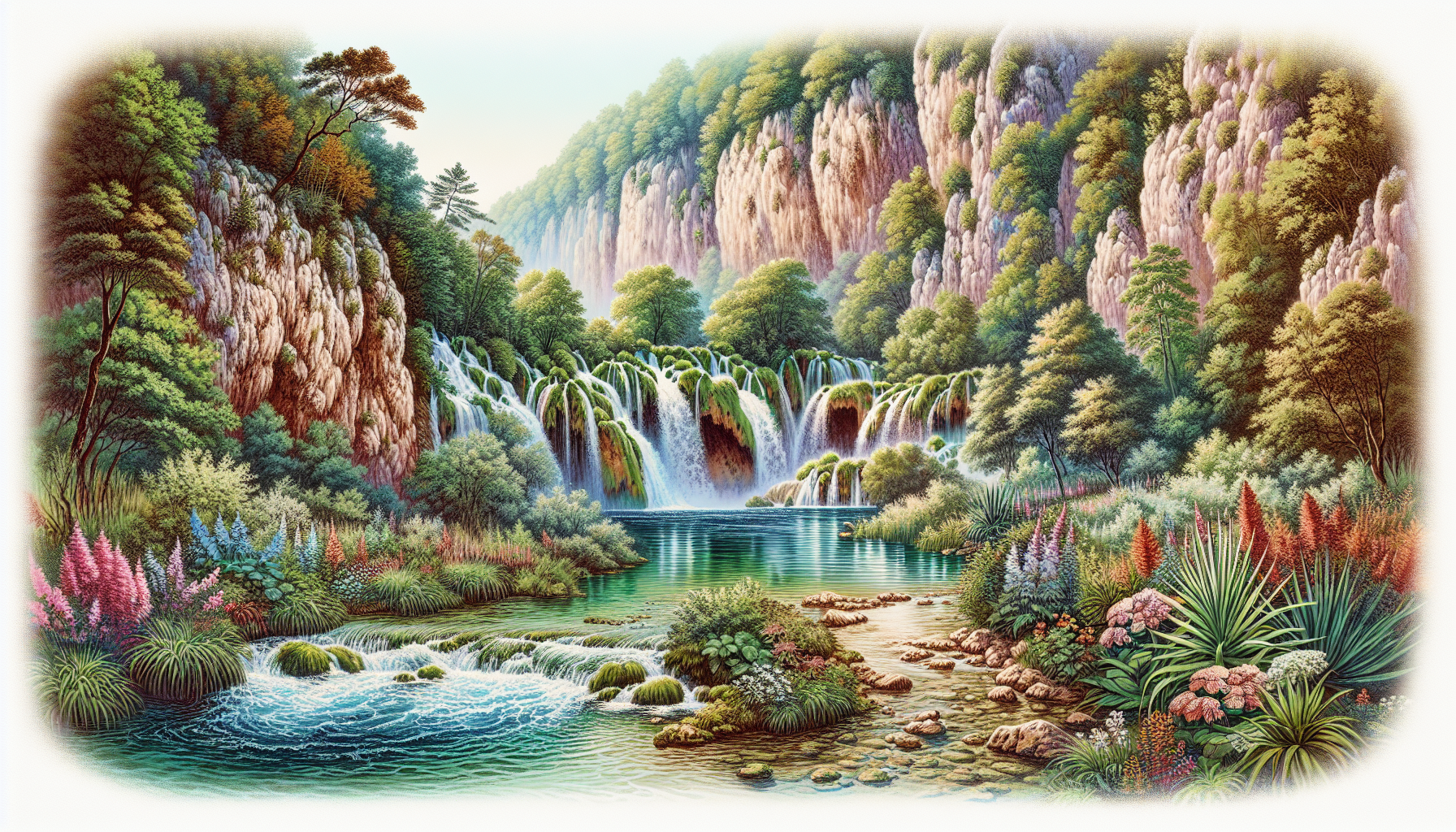
Picturesque Waterfalls and Rivers in Krka National Park
Krka National Park is another natural jewel of Croatia, which captivates visitors from around the world with its stunning waterfalls and crystal-clear rivers. Located in the heart of Dalmatia, this park offers a unique blend of lush vegetation and impressive aquatic landscapes.
Seven majestic waterfalls, including the famous Skradinski Buk, form the heart of the park and connect the course of the Krka river into a fascinating natural spectacle. Visitors can walk along well-maintained wooden boardwalks beside the waterfalls and experience the beauty of nature at close quarters.
A particular highlight are the boat trips to the islands of Visovac and Roski Slap, which offer not only scenic beauty but also cultural and historical insights. With its 200-metre-deep gorges, thundering waterfalls and extensive hiking trails, Krka National Park is a paradise for nature lovers and photographers alike.
Split
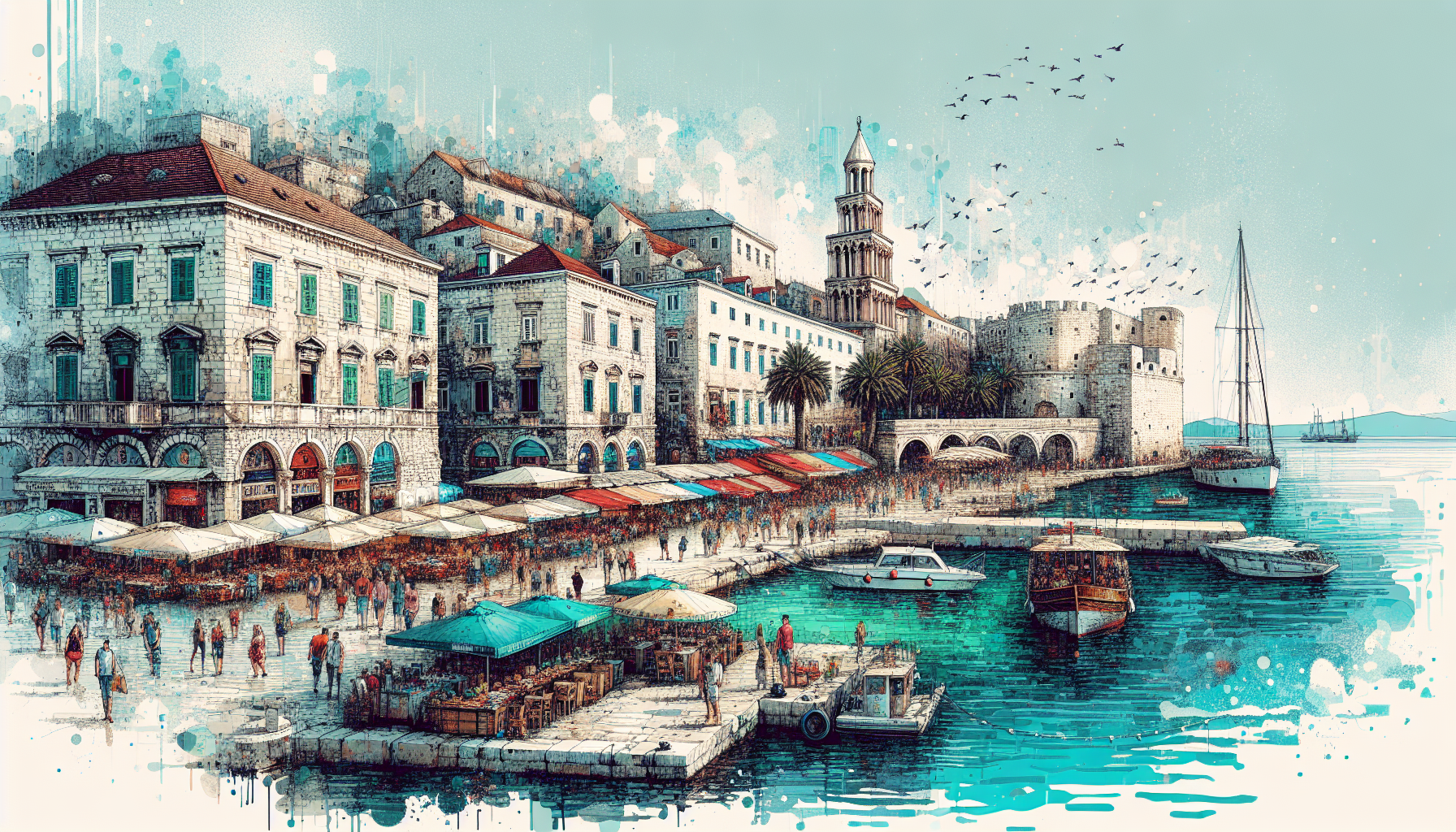
The Fascinating Blend of History and Modern Attractions in Split
Split, the second-largest city in Croatia, is a fascinating example of how past and present can merge harmoniously. The centrepiece of the city is the impressive Diocletian's Palace, a UNESCO World Heritage Site and former residence of the Roman Emperor Diocletian. This vast palace complex today forms the core of the Old Town and houses a vibrant labyrinth of shops, cafés and residences. A walk through the narrow streets reveals historical treasures at every turn, from Roman ruins to Venetian Gothic buildings.
Not to be missed is the lively Riva waterfront promenade, which invites you to linger with its multitude of cafés and picturesque view of the harbour. Other highlights include the imposing cathedral, partly housed in a former Roman mausoleum, and the well-preserved city walls. For those seeking a refreshing dip, the pebble beaches in the surrounding area offer welcome relief.
Split is not only a place to admire historical architecture, but also a pulsating centre of modern Croatian culture – a place where history comes alive whilst the future is being shaped.
Historic towns and cultural highlights
Croatia is a country that impresses with its rich history and cultural diversity. In this section we delve into the fascinating world of the historic towns and cultural highlights the country has to offer. From the vibrant capital Zagreb to the Roman ruins in Pula and the 3,000-year-old history of Zadar – each city tells its own unique story. These historic towns are not only witnesses to past epochs, but also living centres of Croatian culture, where tradition and modernity meet in fascinating ways.
Let us explore together the architectural treasures, lively squares and hidden lanes that make these cities unforgettable destinations.
Zagreb
Zagreb, the vibrant capital of Croatia, offers a fascinating blend of historic charm and modern city life. Although the city is not directly on the Adriatic coast, it has its very own appeal. The heart of the city is formed by the Old Town of Gornji Grad with its medieval alleyways, the imposing cathedral and the picturesque St Mark's Square. A walk through the Upper Town reveals architectural treasures from different eras, whilst the Lower Town, with the bustling Ban Jelačić Square, shows the modern face of Zagreb.
Here you'll find numerous cafés, shops and street performers who give the square a lively atmosphere. Art lovers will appreciate the numerous museums, galleries and theatres, whilst food enthusiasts can discover local delicacies at the Dolac Market. The Kaptol and Gradec districts beckon with their artists' cafés and trendy cocktail bars – perfect for ending the day in a relaxed atmosphere. Zagreb is a place where history and present merge seamlessly and which offers a welcome alternative to coastal tourism.
Pula
Pula, the largest city in Istria, is a living testament to Croatia's rich history. The city's landmark is undoubtedly the impressive amphitheatre, one of the best-preserved Roman structures of its kind worldwide. This imposing amphitheatre, also known as Pulska Arena, was originally built for gladiatorial combat and today serves as a striking backdrop for concerts and events. But Pula has far more to offer than just this one highlight.
A stroll through the old town reveals further fascinating Roman ruins such as the well-preserved Temple of Augustus and the majestic triumphal arch. The Franciscan church adds a mediaeval note to the historic ensemble. For those seeking relaxation, the beautiful beaches in the Stinjan area offer a perfect opportunity to enjoy the Adriatic sun. Pula is a place where history comes alive whilst modern Croatian life thrives – a fascinating blend that captivates every visitor.
Zadar
Zadar, one of Croatia's most remarkable cities, enchants its visitors with a unique blend of ancient history and modern innovation. The completely car-free old town, which looks back on 3,000 years of history, is a labyrinth of narrow streets where Roman ruins and mediaeval churches can be discovered at every turn.
Yet Zadar does not rest on its history – the city also has an innovative side, which manifests itself in two fascinating installations on the waterfront promenade. The Sea Organ, an architectural sound art installation, creates soothing melodies through the movement of the waves, whilst the 'Greeting to the Sun' offers a breathtaking light spectacle at sunset. This connection between old and new art makes Zadar a unique destination on the Dalmatian coast.
For a perfect stay, it is advisable to choose an apartment near the old town in order to experience the magic of this city to the full. Zadar is a place that breathes history whilst looking towards the future – a combination that will fascinate every visitor.
Breathtaking nature and national parks
Croatia is known not only for its historic cities and picturesque coasts, but also for its breathtaking nature and impressive national parks. The country is home to a total of eight national parks and twelve nature parks, which together place almost ten per cent of the country's area under protection – testimony to Croatia's commitment to nature conservation. These protected areas offer an incredible diversity of landscapes, including:
- dense forests
- crystal-clear lakes
- majestic mountain ranges
- unspoilt islands
In this section we shall explore some of Croatia's most impressive natural treasures, including:
- Paklenica National Park with its imposing gorges
- Kornati National Park with its fascinating island world
- Biokovo Nature Park with its breathtaking views
These natural wonders offer not only spectacular landscapes, but also numerous opportunities for outdoor activities and unforgettable experiences amidst unspoilt nature.
Paklenica National Park
Paklenica National Park is a true paradise for nature lovers and outdoor enthusiasts. Known for its two impressive gorges, Velika Paklenica and Mala Paklenica, this park offers a breathtaking setting for hiking and climbing adventures. The Velika Paklenica Gorge, with its imposing rock faces rising up to 700 metres high, is a mecca for climbers from all over the world.
Yet the park also has much to offer less adventurous visitors. A well-developed network of footpaths leads through dense forests, past crystal-clear streams and to breathtaking viewpoints. A particular highlight is the Manita peć cave, which is home to over 50 different bat species and offers fascinating insights into the underground world of karst.
Whether you are seeking the challenge of a demanding climbing route or simply wish to enjoy the peace and beauty of nature – Paklenica National Park offers the right experience for every taste. It is a place where the rugged beauty of the Croatian mountain world can be experienced in all its splendour.
Kornati National Park
Kornati National Park is a true jewel of the Croatian Adriatic coast and a paradise for sailors, divers and nature lovers. Consisting of almost 100 uninhabited islands, this archipelago offers a unique island world and fascinating landscape that is often described as a 'nautical paradise'. The barren, sparsely vegetated islands with their steep cliffs and deep, dark caves form a striking contrast to the deep blue sea. This unique topography creates not only spectacular views, but also ideal conditions for a variety of watersports activities.
Boat trips are one of the best ways to explore the beauty of the Kornati islands. They enable visitors to discover the hidden bays and crystal-clear waters concealed between the islands. For divers and snorkellers, the underwater world of the Kornati islands, with its colourful coral reefs and diverse marine life, offers a fascinating experience. But hikers also get their money's worth: many of the islands offer footpaths leading to breathtaking viewpoints. From there one can survey the unique landscape of the Kornati islands in all its splendour.
The Kornati National Park is more than just a collection of islands – it is a place of tranquillity and contemplation, where one can enjoy the unspoilt beauty of nature to the full. A visit here is a journey into a world where time seems to stand still and nature can still be experienced in its most pristine form.
Biokovo Nature Park
The Biokovo Nature Park, located near the picturesque town of Makarska, is an impressive example of Croatia's diverse landscape. The Biokovo mountain range, rising over 1700 metres high, dominates the coastal landscape and offers breathtaking contrasts between the rugged mountain flanks and the sparkling blue of the Adriatic. The park is a true paradise for nature lovers and hikers, with a variety of walking trails that lead through diverse vegetation zones.
The absolute highlight of the park, however, is the glass skywalk, an architectural masterpiece located 1,228 metres above sea level. This spectacular viewing platform offers a breathtaking 360-degree view over the mountains, the coast and the offshore islands. On clear days the view even extends as far as Italy.
The Biokovo Nature Park is not just a place to marvel, but also an important protected area for numerous endemic plant and animal species. With an admission price of €8.00 in high season, a visit to this natural wonder is an absolute must for anyone who wants to experience the wild beauty of the Croatian landscape in all its splendour.
Beautiful islands and beaches
Croatia is famous for its breathtaking coastal landscape, which extends over more than 2000 kilometres and encompasses more than 1000 islands. This impressive coastline offers a virtually endless variety of picturesque bays, crystal-clear waters and dreamlike beaches. From the sophisticated islands such as Hvar to hidden paradises like the island of Vrgada – each island has its very own character and charm. Croatia's Adriatic coast is a mosaic of paradisiacal bathing bays that rank amongst the most beautiful in Europe.
In this section we shall explore some of the highlights of this island and beach world, including the glamorous island of Hvar, the unique landscape of the island of Pag and the world-famous Zlatni Rat beach on Brač. Immerse yourself in the world of Croatia's islands and beaches, where azure sea meets white pebbles and every bay holds a new surprise.
Hvar
The island of Hvar, often referred to as the "sunshine island", is a true jewel in the Adriatic and a must for every visitor to Croatia. Famous for its consistently sunny weather, Hvar offers a perfect blend of nature, culture and luxury. In summer the extensive lavender fields transform into a fragrant, violet sea and offer an unforgettable experience for all the senses. The island is blessed with dreamlike beaches and crystal-clear bays that invite swimming and sunbathing.
But Hvar has far more to offer than just beach and sea. The eponymous capital of the island enchants with its Venetian architecture, narrow lanes and lively squares. Here one finds a wealth of exquisite restaurants that celebrate the local cuisine with fresh seafood and local wines. In the summer months Hvar transforms into a hotspot for luxury yachts and exclusive parties, earning it the nickname "St Tropez of Croatia".
Whether you are seeking peace and relaxation or wish to enjoy the pulsating nightlife – Hvar offers the perfect experience for every taste.
Island of Pag
The island of Pag, known for its unique lunar landscape and long pebble beaches, is a fascinating destination that combines natural beauty with pulsating nightlife. The barren, rocky landscapes of the island, shaped by the Bora, a strong north-easterly wind, lend Pag a very special charm. Yet Pag has far more to offer than just its impressive geology.
The island is famous for its long pebble beaches, which are perfect for sunbathing and swimming. A particular highlight is the town of Novalja with the famous Zrće party beach, often described as the "Ibiza of Croatia". Numerous music festivals and beach parties take place here in summer, attracting visitors from all over the world.
Away from the hustle and bustle, however, Pag also offers quieter corners where one can enjoy nature and local culture. The island is renowned for its excellent wine and the famous Pag cheese, which is made from the milk of sheep that graze on the salty meadows of the island. A visit to Pag is a journey of contrasts – from wild parties to unspoilt nature and culinary delights.
Zlatni Rat on Brač
Zlatni Rat, often referred to as the "Golden Horn", is undoubtedly one of the best-known and most photogenic beaches in Croatia. Located on the island of Brač, this unique pebble beach extends like a promontory into the crystal-clear Adriatic Sea. What makes Zlatni Rat so special is its fascinating shape, which changes according to the swell and sea currents, giving the beach a constantly changing appearance.
Surrounded by clear, turquoise water, the beach offers ideal conditions for swimming and sunbathing. But Zlatni Rat is not just a paradise for beach lovers – it's also a hotspot for windsurfers and kitesurfers who appreciate the perfect wind conditions in this area.
For those who want to enjoy a breathtaking view of the beach and the surrounding landscape, it's worth climbing Vidova Gora, the highest mountain on the island of Brač. From here, a spectacular panoramic view of Zlatni Rat and the surrounding islands unfolds.
With its unique beauty and diverse range of activities, Zlatni Rat is a must for every visitor to Croatia and perfectly embodies the magic of the Croatian Adriatic coast.
Insider tips and lesser-known destinations
Away from the well-trodden tourist paths, Croatia hides a wealth of treasures waiting to be discovered. These lesser-known destinations offer authentic experiences and an insight into the real Croatia, far from mass tourism. From the smallest inhabited island of Ošljak to the picturesque Renaissance town of Svetvinčenat – these insider tips promise unforgettable moments and unique experiences.
In this section, we'll introduce some of these hidden gems, including the tiny town of Hum, the fascinating Blue Grotto on Biševo and the Veliko Blato nature reserve. These places may not be in every guidebook, but they offer authentic insights into Croatian culture, history and nature. Let's explore these lesser-known but no less fascinating sides of Croatia together.
Hum
Hum, often referred to as the 'smallest town in the world', is a true gem in the heart of Istria. With a population of just 30 people, Hum is a living example of a mediaeval Croatian small town that has preserved its authenticity. Despite its small size, Hum has a fascinating history and culture to offer. The mediaeval town is surrounded by a well-preserved city wall and houses two small churches adorned with beautiful frescoes. A stroll through the cobbled lanes feels like a journey back in time.
Hum is also known for producing the local liqueur 'Biska', an aromatic spirit made from mistletoe. This liqueur is not only a popular souvenir but also an important part of local culture and tradition. A visit to Hum offers the unique opportunity to experience authentic rural life in Croatia whilst discovering a piece of living history. It's a place that proves size isn't everything and that sometimes the smallest places hold the greatest surprises.
Blue Grotto on Biševo
The Blue Grotto on the island of Biševo is one of Croatia's most fascinating natural wonders and a real insider tip for the adventurous. This stunning sea cave is known for its intense blue glow, created by a unique interplay of light and water. What makes the Blue Grotto special is that it can only be reached by small rowing boat, which makes the experience even more exclusive and exciting.
The best time to visit is between 11 a.m. and noon, when the sun's rays enter the grotto at a perfect angle and make the water shine in a magical, silvery-blue light. This natural spectacle is so impressive that it's often referred to as an 'underwater cathedral'. A visit to the Blue Grotto is more than just a sightseeing tour – it's an unforgettable experience that shows the beauty and magic of the Croatian coast in its purest form.
Although access to the grotto is limited due to conservation measures, the effort is definitely worthwhile. It's a place where nature displays its full splendour and visitors immerse themselves in an almost surreally beautiful underwater world.
Veliko Blato Nature Reserve
The Veliko Blato nature reserve on the island of Pag is a hidden paradise for nature lovers and birdwatchers. This protected area plays an important role in preserving local ecosystems and offers visitors the opportunity to experience Croatia's unspoilt nature in all its diversity. The reserve is home to an impressive variety of plant and animal species, particularly birds, which find shelter and ideal living conditions in this area. For birdwatchers, Veliko Blato is a true El Dorado – numerous bird species can be observed here in their natural habitat. The reserve has specially designated observation points that offer optimal conditions for birdwatching.
A visit to the Veliko Blato nature reserve offers:
- An opportunity to spot rare bird species
- The chance to enjoy the peace and beauty of unspoilt nature
- A place that emphasises the importance of nature conservation
- The opportunity to experience the wonders of nature at close quarters
For anyone who wants to discover the true beauty of Croatia away from the usual tourist paths, the Veliko Blato nature reserve is a must-see.
Practical tips for your trip to Croatia
A well-planned trip to Croatia can become an unforgettable experience. To help you make the most of your stay, we've put together some practical tips. From choosing the best time to travel to recommendations for accommodation and getting around – this information is designed to help you make your Croatia trip smooth and enjoyable.
It is important to know that Croatia introduced the euro as its official currency at the beginning of 2023, which simplifies travel for many European visitors. In addition, the country offers a wide range of accommodation options, from small, charming hotels and cosy apartments to holiday homes, which provide a welcome alternative to large hotel complexes. In the following sections, we will look more closely at the best time to travel and practical tips for getting there and getting around. With this information, you will be perfectly equipped to make your Croatia trip an unforgettable adventure.
Best Time to Travel
Choosing the right time to travel can have a major impact on your Croatia experience. For most visitors, the months April, May, September and October are the ideal time to travel. During these months, you can enjoy pleasant weather without having to put up with the crowds and high prices of the peak season. The climate is mild at this time and perfect for outdoor activities and sightseeing. The coastal regions are particularly attractive in May and September, when temperatures are pleasantly warm and the sea is already inviting for swimming.
If you want to explore the sights in peace, it is advisable to visit popular places such as the Zarecki Krov waterfall before the hot summer months. If you do decide on a summer trip, plan to bring a light jacket for activities such as visiting the Baredine cave, as it can be cool inside the caves. Also bear in mind that the high season is lively, but also comes with higher prices and larger crowds of tourists. With proper planning, however, you can enjoy the beauty and diversity of Croatia at any time of year.
Arrival and getting around
Getting to Croatia and travelling around the country offer various options, which can be chosen depending on your preferences and travel plans. Many visitors opt to arrive by car or campervan, which is particularly attractive for those who want to be flexible and visit several places. Croatia's main motorways are well developed: the A1 connects Zagreb with Split and Dubrovnik, while the A6 runs from Zagreb to Rijeka.
For exploring national parks such as the Plitvice Lakes, buses from larger cities such as Zagreb, Zadar or Split offer a convenient option. If you want to explore the Croatian islands, the period from May to September is ideal, as ferry connections operate most frequently during these months. This allows you to enjoy the beauty of the island world to the full. Another highlight is the Baredine cave, which is easily accessible by car or bus and offers a fascinating insight into Croatia's underground world.
Within the cities, many sights are easily reached on foot, which is not only environmentally friendly but also offers the best way to experience the atmosphere and charm of Croatian places. With a well-planned combination of different means of transport, you can organise your Croatia trip flexibly and discover the country in all its diversity.
Sailing in Croatia
Croatia, with its stunning coastline and over 1,000 idyllic islands, is a true paradise for sailing enthusiasts. The combination of crystal-clear water, picturesque bays and historic coastal towns makes the country one of Europe's most popular sailing areas. The sailing season runs from May to October, with pleasant temperatures between 22°C and 35°C, offering perfect conditions for an unforgettable sailing trip. Whether you are an experienced sailor or setting sail for the first time, Croatia offers the right route for every taste and every level of ability. The variety of sailing voyages on offer is impressive and ensures that everyone finds the right adventure.
Istria is particularly suitable for beginners, whilst experienced sailors can enjoy the challenges of the Dalmatian east coast. A popular option is flotilla sailing, which is offered from cities such as Pula, Zadar, Split and Dubrovnik and provides a great opportunity to make new friends and learn from experienced skippers. Families can book special sailing trips where children's safety is the top priority. The modern sailing yachts and catamarans are generally well equipped and often even offer amenities such as internet and air conditioning.
For those who want to take the helm themselves, it should be noted that a coastal waters licence and a valid radio licence are required. Sailing trips for young adults aged 25-39 who are looking for adventure and fun in a like-minded group are also particularly popular.
Whether you want to:
- explore the hidden bays of the Kornati Islands
- visit the historic towns along the coast
- or simply enjoy the peace and freedom on the open sea
Sailing in Croatia offers a unique and unforgettable travel experience.
Summary
Croatia is a land of contrasts and surprises, offering something special to every visitor. From breathtaking natural wonders such as Plitvice Lakes National Park and Krka National Park, through historic cities like Dubrovnik and Split, to the dreamlike islands and beaches of the Adriatic coast – Croatia is a destination that appeals to all the senses. The diversity of landscapes, from barren moonscapes to lush forests, and the rich cultural history make every journey a unique experience. Whether you seek the tranquillity of nature, are interested in history and culture, or simply want to enjoy the sun and sea – in Croatia you will find your personal holiday dream. A Croatian holiday offers you the opportunity to discover the hospitality of the Croatians, the excellent cuisine and genuine hidden gems off the beaten track, rounding off the travel experience. Croatia is more than just a holiday destination – it is a country that enchants you with its beauty and surprises you with its diversity. Let yourself be captivated by the magic of Croatia and create memories that will last a lifetime.
Frequently asked questions
When is the best time to travel to Croatia?
The best time to travel to Croatia is during the months of April, May, September and October. During this period there is pleasant weather, fewer crowds and moderate prices. Moreover, the climate is ideal for outdoor activities and sightseeing.
Which sights in Croatia should one definitely visit?
The top sights in Croatia that you should definitely visit are Plitvice Lakes National Park, the historic Old Town of Dubrovnik, Krka National Park, the city of Split with Diocletian's Palace, the island of Hvar and Zlatni Rat beach on the island of Brač. Enjoy your discoveries!
Is it possible to explore the Croatian islands using public transport?
Yes, it is possible to explore the Croatian islands using public transport. It is advisable to research ferry connections in advance and book them if necessary, especially during high season.
Which documents do I need to hire a boat in Croatia?
To hire a boat in Croatia, you need a coastal waters licence and a valid radio operator's certificate. These documents are required if you wish to take the helm yourself. Alternatively, you can also hire a skipper or take part in a guided sailing tour if you do not hold the necessary licences.
Are there also lesser-known destinations in Croatia that are worthwhile?
Yes, besides the well-known destinations, there are also lesser-known places in Croatia worth visiting, such as the town of Hum, which is considered the smallest town in the world, the Blue Grotto on the island of Biševo and the Veliko Blato nature reserve on the island of Pag.


I'm in Croatia in August. I'm already looking forward to seeing many of these beautiful sights in Croatia. One highlight follows another in Croatia!