
Sailing area · Baltic Sea
Sailing in the Baltic Sea
Cabin charter on the Baltic Sea means: you book a berth (your sleeping place on board) on a sailing yacht or traditional vessel, and a skipper commands the boat. Depending on the trip and provider, you sail hands-on and learn or simply enjoy your time aboard. You don't need a sailing licence.
Updated: 27 October 2026 · Redaktion toernfinder.de

from 31 providers compared
The essentials at a glance
Season
February to November, mostly May to August
Duration
Mostly 7–8 days, also short trips and day sails
Most common departure ports
Breege, Flensburg, Travemünde, Kiel and Kappeln an der Schlei
Requirements
No sailing licence required
Week-long trip per person
mostly 650–790 €
Current sailing trips on the Baltic
Here you can see a changing selection of current Baltic Sea trips, from day trips to mile building. Use the buttons to narrow down the list by trip type, for example to cabin charter or sail training. Most trips depart from Breege, Flensburg, Travemünde, Kiel and Kappeln an der Schlei. Your enquiry goes directly to the provider; booking is also made directly with them.

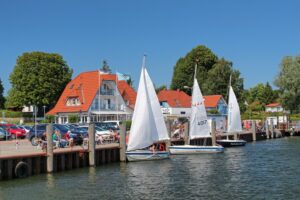

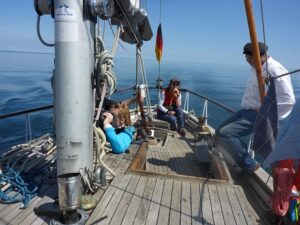
Last minute: Baltic Sea trips in the next 30 days
- 07.11.SKS practical training from Breege on Rügenfrom Breege · 8 daysfrom 698 €
- 14.11.SKS practical training from Breege on Rügenfrom Breege · 8 daysfrom 698 €
- 14.11.SSS practical sailing from Breege on Rügenfrom Breege · 8 daysfrom 748 €
- 21.11.SKS practical training from Breege on Rügenfrom Breege · 8 daysfrom 698 €
How cabin charter works on the Baltic
With cabin charter on the Baltic, you book a berth on board, not the whole boat. The skipper plans the route, commands the vessel and takes responsibility; you are part of the crew. How much you actively help depends on the trip and the provider.
This principle is called cabin charter: each cabin is assigned individually, and the crew is made up of people who often only meet for the first time on the quayside. You can therefore also book on your own. More about this form of sailing can be found on the page Cabin charter on the Baltic.
What the crew does on board
On many trips you can take part in hands-on sailing: handling sheets and halyards (the lines used to trim and hoist the sails), taking the helm, helping with mooring and learning a great deal in the process. But you can also take things easy and simply enjoy your days on board. On sail training trips, skipper training and traditional sailing vessels, active participation is part of the programme. The skipper explains the procedures before you set off and makes sure beginners aren't overwhelmed. In the galley, the on-board kitchen, everyone usually helps out at some point. On most Baltic trips, you sail during the day and put into harbour in the evening. A watch system with fixed shifts is normally only used when sailing continues at night, for instance on mile building trips — longer trips for accumulating nautical miles.
Cabin charter on the Baltic: commercial or private
On the Baltic, both commercial providers and private owners offer cabin charter berths. Commercial providers include sailing schools, skippers running their own operations and operators of traditional vessels; they have fixed dates, terms and conditions and often several boats.
If you want to join a private trip on the Baltic, you'll often find owners looking for crew for their own yacht. Such adverts along the lines of "crew wanted, Baltic, two weeks in July" are usually smaller, less regimented and often split the costs of the trip. A special form is hand for a bunk: you work on board and in return pay little or nothing for your berth. This variant is described on the page Working passage in detail.
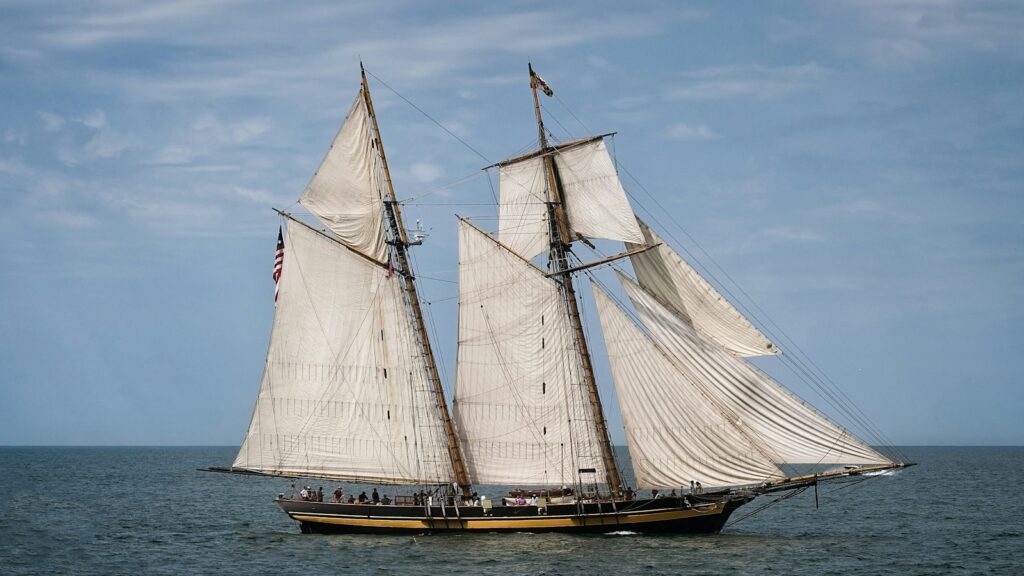
One in five Baltic Sea trips
Sailing on traditional vessels: tall ships and three-masters on the Baltic Sea
About one in five of the Baltic Sea trips published here take place on a traditional ship or tall ship, where guests lend a hand.
Gaff schooners (schooners with square sails hanging from a slanting spar at the top, the gaff), tall ships or three-masters have a larger crew than a yacht. Sails are set by hand, and some manoeuvres require several people at once; the permanent crew instructs you. Traditional sailing vessels depart mainly from Flensburg, the Tiessen quay in Kiel, Rostock and Lübeck.
A good opportunity to try them out is the Hanse Sail in Rostock, where more than a hundred traditional ships gather and offer day and evening trips.
View traditional sailing ships trips
Törnfinder data
The Baltic in numbers
Based on: all Baltic trips published on Törnfinder. As of: 04.11.2026.
Most common departure ports
- 1Breege102 trips
- 2Flensburg97 trips
- 3Travemünde62 trips
- 4Kiel50 trips
- 5Kappeln an der Schlei29 trips
67 %of trips last 7–8 days
77 %are round trips, start and finish in the same port
19 %take place on a traditional ship or tall ship
38different departure ports
14countries on offer, led by Germany and Denmark
180 nmcovered by a typical week-long trip
As of 04.11.2026: Törnfinder lists around 510 Baltic Sea trips from 31 providers. 67 % last 7–8 days, 77 % are round trips with the same start and end port and 19 % take place on a traditional ship or tall ship. Most trips start in Breege, Flensburg and Travemünde, and most departures are in May and July. A week-long trip usually costs 650–790 € per person.
How these figures are calculated
All trips published on Törnfinder in the Baltic Sea sailing area with departure dates from today onwards are evaluated; the figures are recalculated twice a day. Prices are those stated by the providers per person. "Usually" refers to the middle half of the offers, the cheapest and most expensive quarters are excluded. The departure harbour is the starting harbour named in the listing, a round trip is a trip with the same departure and destination harbour. The text on this page is written and checked by the editorial team at toernfinder.de.
Sailing on the Baltic Sea: the sailing areas at a glance
The sailing areas of the German Baltic coast extend from Flensburg Fjord in the west to the bodden waters off Rügen and Usedom in the east, plus the Danish islands right on the doorstep.
Of the Baltic Sea trips published here, around 95 % call at ports in Germany and around 55 % at ports in Denmark; others go to Sweden, Poland and Norway. Those who want to sail on the Baltic Sea will find fjords (long, narrow sea inlets), shallow bodden (almost enclosed coastal waters) and open stretches of water in between.
Tides play hardly any role: they usually amount to only a few centimetres and are masked by weather-driven water level changes. What is noticeable, however, is what the wind does to the water level: with sustained strong winds, the water in bays and harbours can rise or fall significantly.
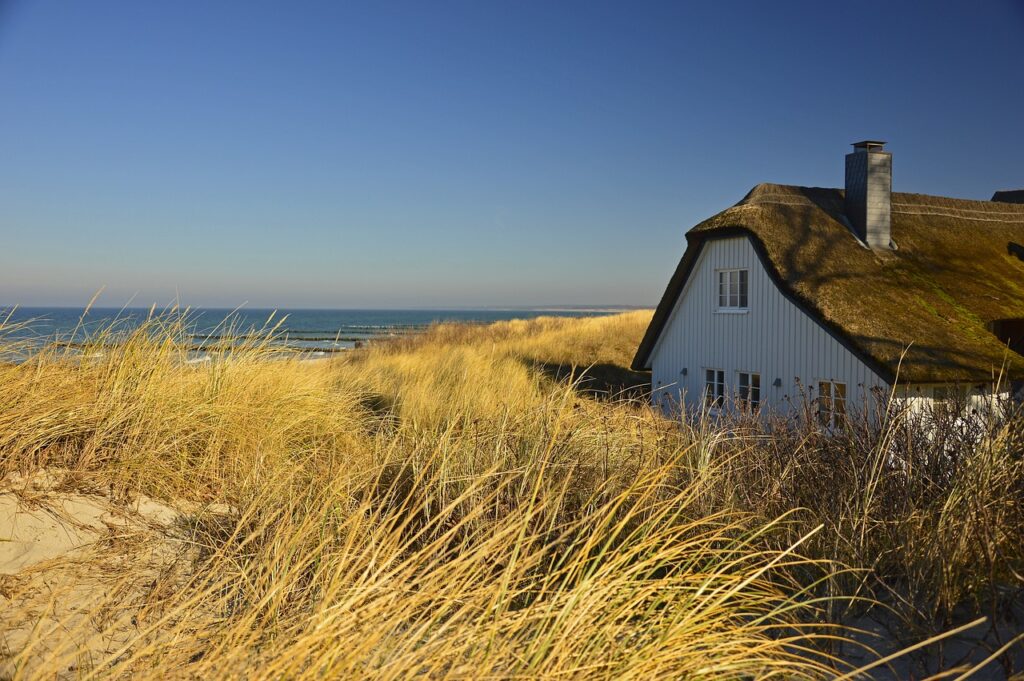
Flensburg Fjord and Kiel Bay
Most of the trips published here start from the western Baltic. Flensburg Fjord is narrow and sheltered, with Germany on one side and Denmark on the other; the island of Als and Sønderborg lie at the mouth of the fjord. Kiel Fjord opens into Kiel Bay; from Kiel, Laboe and Eckernförde, trips depart for Denmark or eastwards along the coast. Tiessenkai in Kiel-Holtenau on the Kiel Canal is one of the most frequent departure harbours for traditional vessels.
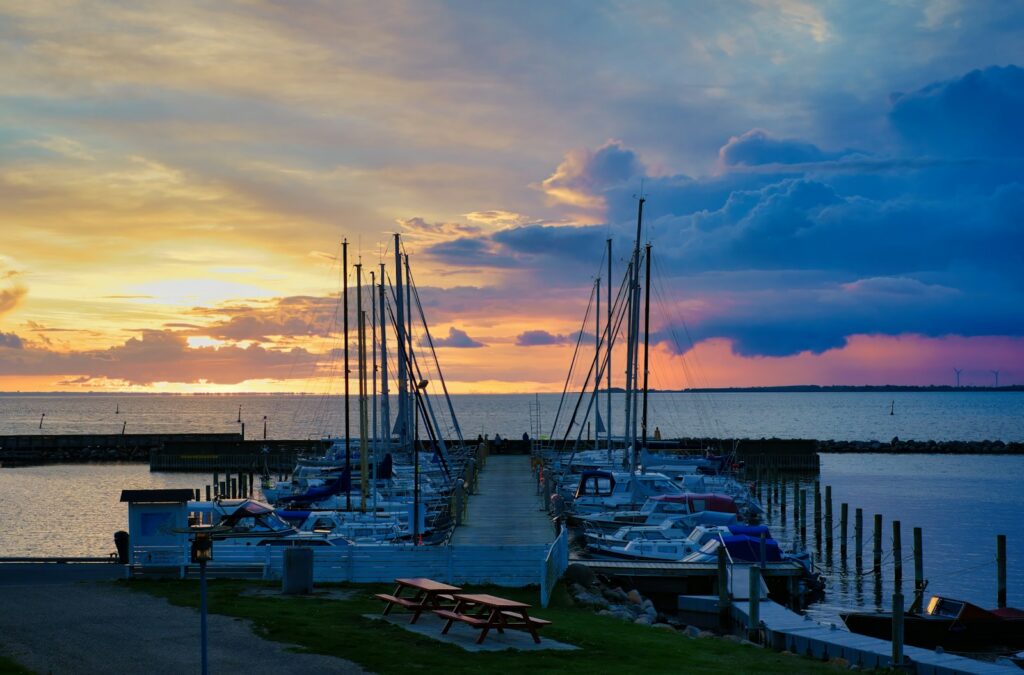
Danish South Sea Islands
The Danish South Sea Islands, the South Funen Archipelago (Danish: Det Sydfynske Øhav), is one of the most popular destinations for week-long trips from the German coast. Small and medium-sized islands with harbours and anchorages lie close together here. Typical destinations are Ærøskøbing on Ærø, Svendborg and the Svendborgsund between Funen and Tåsinge, which the Danish tourism portal VisitDenmark ranks among the most beautiful waterways in the country.
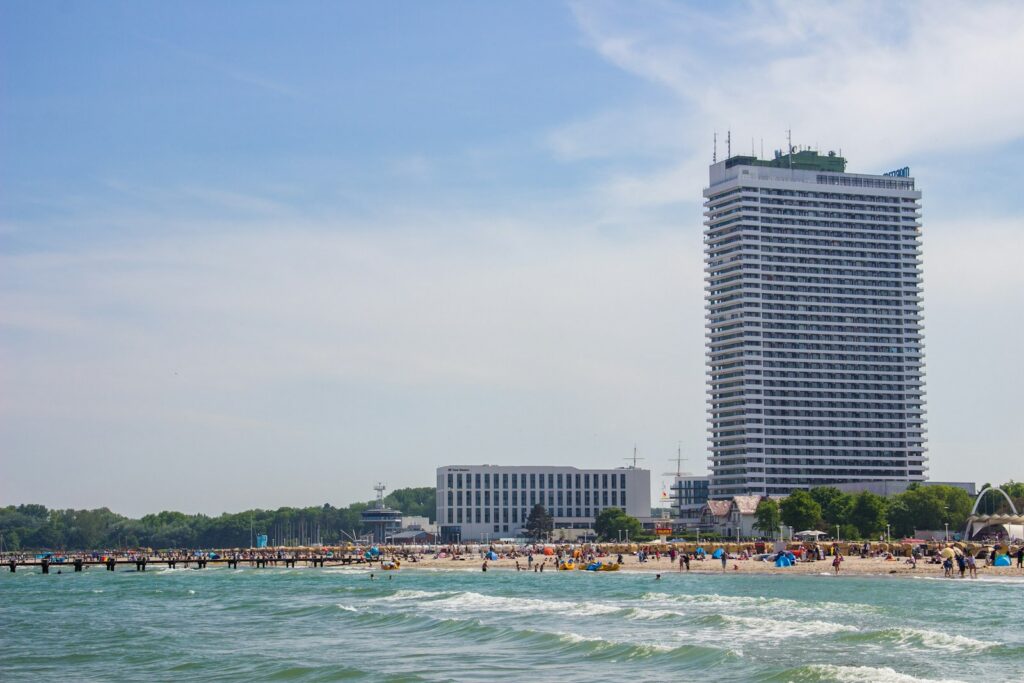
Lübeck Bay and Fehmarn
Lübeck Bay with Travemünde is the starting point for trips to Fehmarn and on to the Danish South Sea Islands, or eastwards along the coast of Mecklenburg-Western Pomerania as far as Rügen. Heiligenhafen lies on the Fehmarn Sound opposite Fehmarn and is one of the most frequent departure harbours.
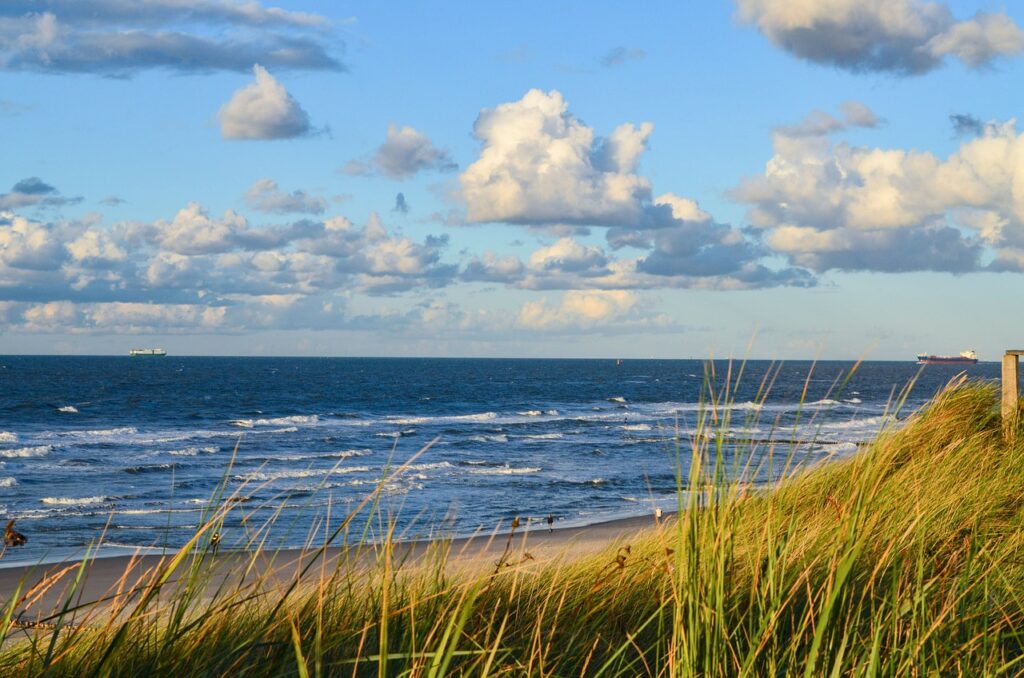
Rügen, Hiddensee and the bodden
Around Rügen lie harbours such as Breege, Wiek, Schaprode, Ralswiek and Lohme, in the south Stralsund on the Strelasund and Greifswald near the Greifswalder Bodden. The bodden are shallow and sheltered, the distances short. Route ideas: Sailing Rügen.
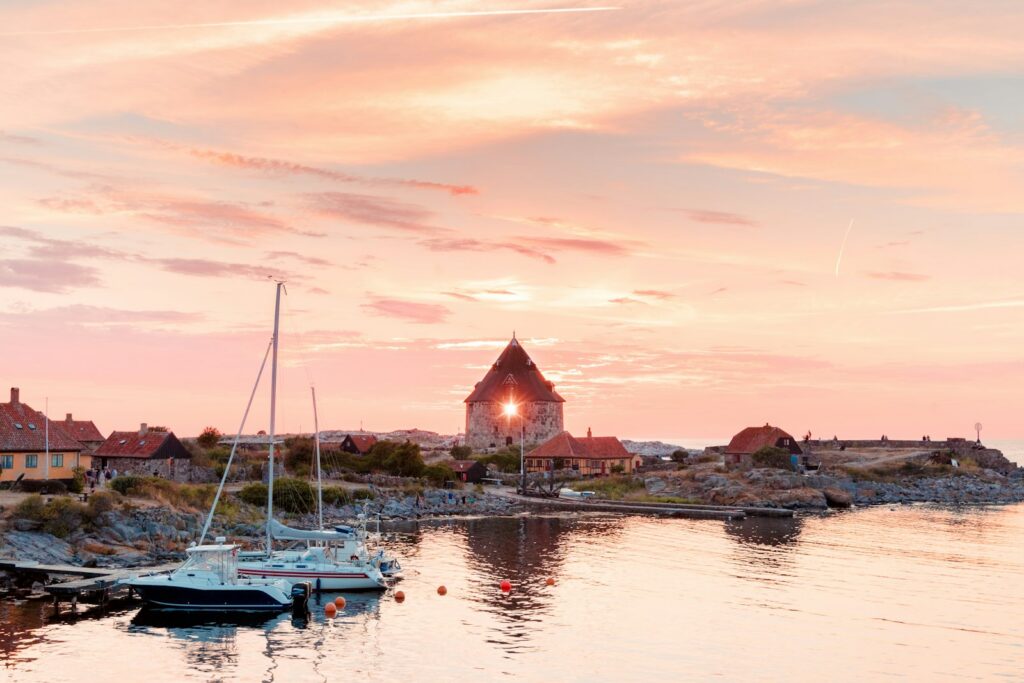
Bornholm, Sweden and the skerries
Longer trips lead across the open Baltic to Bornholm and Christiansø or to the Swedish coast. Some begin in Stockholm, heading into the skerries — the many small rocky islands off the coast — others in Copenhagen. This is more for week-long and mile-building trips.
Nature and culture ashore
Along the way lie some of the best-known landscapes and towns of the German Baltic coast, right on the water. Around Rügen, Hiddensee and Darß stretches the Vorpommersche Boddenlandschaft National Park, on the eastern coast of Rügen in Jasmund National Park the chalk cliffs tower around the Königsstuhl. The old towns of Lübeck, Wismar and Stralsund are UNESCO World Heritage Sites and can be explored on foot during a harbour day. Special navigation rules for boats apply in the national parks, the skipper knows them.
Planning a Baltic trip yourself
Anyone planning a trip on the Baltic Sea themselves, for example with a chartered yacht, will find harbour descriptions, approaches and berth information in cruising guides and pilot books, in print or as an app, plus official nautical charts. An initial overview of individual harbours is provided by the harbour profiles in the sailing magazine.
Departure ports for Baltic Sea sailing trips
Most of the Baltic Sea trips published here start in Breege, Flensburg, Travemünde, Kiel and Kappeln an der Schlei.
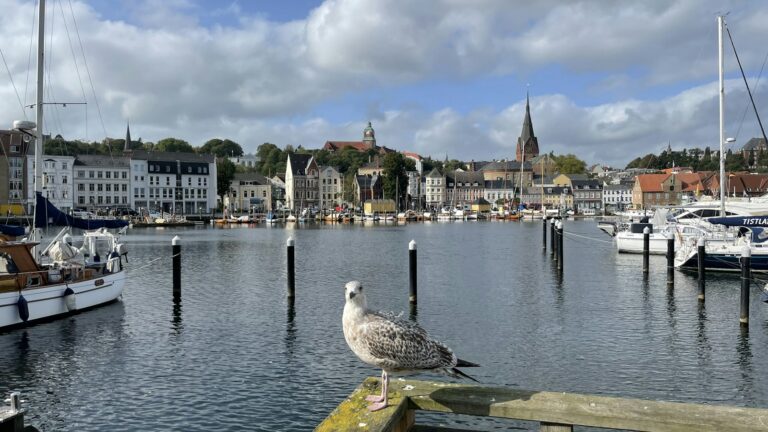
FlensburgAt the end of the fjord, close to Denmark, many traditional sailing shipsHarbour profile →
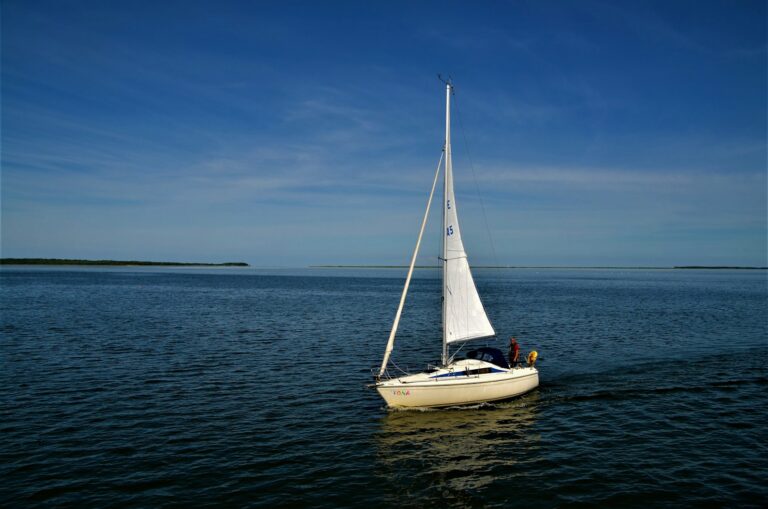
Breege auf RügenIn the north of the island, trips around Rügen and to HiddenseeHarbour profile →
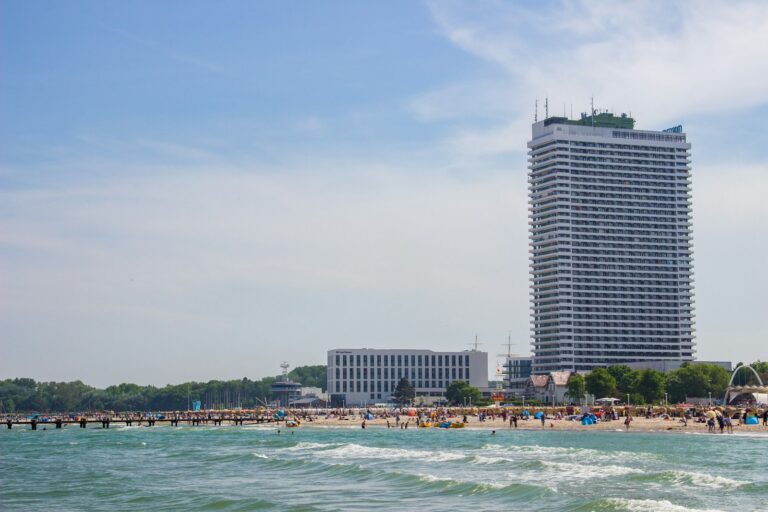
TravemündeLübeck Bay, course to Fehmarn, Denmark or MecklenburgHarbour profile →
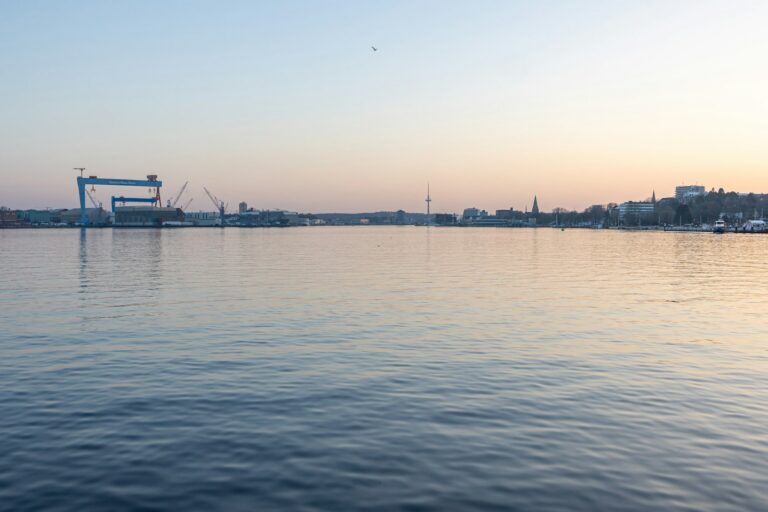
Kiel-HoltenauKiel Fjord, starting point for yachts and traditional sailing shipsHarbour profile →
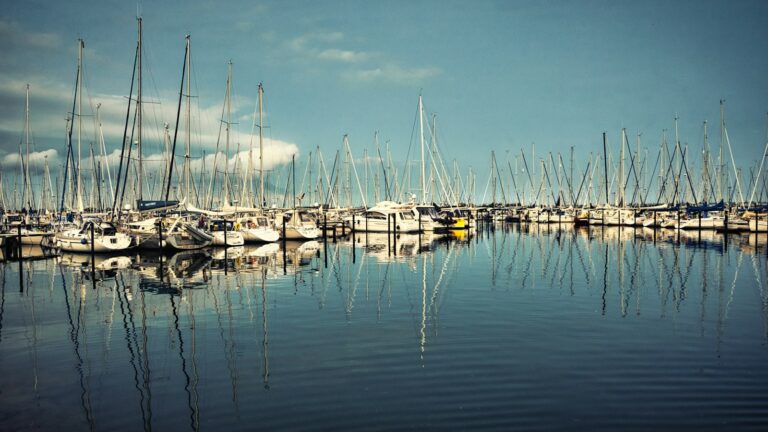
HeiligenhafenOn Fehmarn Sound opposite FehmarnHarbour profile →
Greifswald and Stralsund lie close to Rügen, Rostock with Warnemünde is one of the most common departure ports for traditional sailing vessels, Laboe and Eckernförde are situated on Kiel Bay with a course towards Denmark.
Best time of year for sailing holidays on the Baltic Sea
The best time for sailing holidays on the Baltic is from June to August. That's when it's warmest on board, the water is around 16 to 19 °C, and the days are long. May and September are cooler, but the harbours are less busy than during the summer holidays.
The wind in high summer is usually moderate; in spring and from autumn it's often stronger. Anyone sailing along as crew for the first time is well placed between June and August; those who want more sporty sailing will often find more wind in May and September.
| Month | Air temperature by day | Sun per day | Water | What to expect |
|---|---|---|---|---|
| April | 13 °C | 6 h | 7 °C | Start of season with the first trips, still cold on deck |
| May | 17 °C | 8 h | 11 °C | Long days, fresh water, quiet harbours |
| Jun. | 20 °C | 8 h | 16 °C | Longest days of the year, around 17 hours of daylight in Kiel; Kieler Woche at the end of June |
| July | 22 °C | 8 h | 18 °C | High season and summer holidays, the harbours are full |
| August | 22 °C | 7 h | 19 °C | Warmest water of the year, Hanse Sail in Rostock in August |
| September | 18 °C | 5 h | 16 °C | Water still warm, harbours emptier, the wind becomes livelier |
| October | 13 °C | 3 h | 13 °C | Shorter days, more frequent strong winds, only a few trips left |
Guide values. Air (mean daily maximum) and hours of sunshine: mean 1991–2020 at Kiel-Holtenau station, climate table. Water: monthly mean on the coast at Warnemünde; in summer the surface temperature of the Baltic Sea averages around 16 °C in the long-term mean, BSH. Individual years vary.
The weather can change quickly even in summer. Before each day's run the skipper therefore checks the marine weather forecast. How to read it yourself is explained in the article Reading and understanding the sea weather report.
When the trips start
Most Baltic Sea trips start in May and July. Trips are available from February to November.
5
Feb14
Mar49
Apr83
May72
Jun90
Jul74
Aug61
Sep41
Oct4
NovAll Baltic Sea trips published on Törnfinder for the next twelve months. As at: 04.11.2026.
Baltic Sea sailing trip: 7 days, 3 days or 1 day?
Most trips on the Baltic Sea last a week, i.e. seven to eight days. In addition there are short trips of two to six days and day trips that give you a first impression of sailing.
MOST COMMON
Week-long trip
7–8 days · usually round trip
The most common trip length on the Baltic. In a week you can sail round the Danish South Sea Islands or Rügen, with time for a harbour day. Most week-long trips return to the departure harbour, which makes travel easier.
mostly 650–790 €
View week-long trips →
Short trip and sailing weekend
2–6 days
A short trip over three days or a sailing weekend on the Baltic Sea is enough for two or three day passages (the distance covered in one sailing day) and nights in different harbours. From Flensburg or Kiel, Denmark is within reach; from Stralsund and Greifswald, the harbours around Rügen.
mostly 2–3 days 390–500 €
View short trips →
Day trip
1 day
On a day trip, you go aboard in the morning and return in the evening without staying overnight on board. Day trips are available on yachts and on traditional sailing vessels.
mostly 80–100 €
View day trips →
Prices per person from current listings, as at: 04.11.2026. On traditional sailing ships a week-long trip usually costs 640–980 €.
What does a sailing trip on the Baltic Sea cost?
A week-long trip on the Baltic Sea usually costs 650–790 € per person, with a day on board costing around 95 € on average. How much exactly depends primarily on duration and type of vessel.
| Trip duration | Price per person (usually) | per day | Dates |
|---|---|---|---|
| Day trip | 80–100 € | around 100 € | 7 |
| 2–3 days | 390–500 € | around 130 € | 38 |
| 4–6 days | 560–780 € | around 140 € | 77 |
| 7–9 days, week-long trip | 650–790 € | around 85 € | 354 |
| 10–15 days | 1,100–1,650 € | around 110 € | 34 |
| Week-long trip on a traditional vessel | 640–980 € | around 100 € | 39 |
"Usually" means: the middle half of all offers falls within this range; the cheapest and most expensive quarters are not included. Click on the duration to see the corresponding trips.
On top of the trip price there is usually the ship's kitty and travel to the departure harbour. The ship's kitty depends on how much cooking is done on board or eating in restaurants, and how many harbours are visited.
What's included in the price and what goes into the crew kitty
Included in the trip price
- Your bunk on board
- The vessel
- The skipper
Usually via the crew kitty
- Food
- Hafengeld
- Diesel
On some vessels, catering is already included in the price.
What exactly is included is stated in the respective trip description.
Sailing on the Baltic Sea with skipper
Sailing on the Baltic Sea with skipper works in two ways: you book an individual cabin on a trip with skipper, or you charter an entire yacht with skipper for your own group.
Every cabin charter is a trip with skipper, because the skipper commands the vessel. If you want to be travelling with family, friends or as a team and want the yacht to yourselves, a yacht with professional skipper is the right option.
| Cabin charter (book a cabin) | Private yacht charter with skipper | |
|---|---|---|
| For whom | Individuals, couples, beginners | Family, group of friends or company team |
| Crew | mixed crew, get to know each other on board | only your group |
| Route | planned by the skipper | you have more say |
| More about this | Cabin charter | Charter yacht with skipper |
Do I need a sailing licence for a sailing trip on the Baltic Sea?
No. As crew you don't need a sailing licence, because it's not you but the skipper who commands the vessel.
A powerboat licence is only needed by whoever commands the vessel. Experience is generally not required, unless the provider states otherwise in the trip description. Anyone wishing to obtain a licence themselves can gain practical experience for the SKS on a Sail training the practical training for the Sportküstenschifferschein (SKS). Among the Baltic Sea trips published here, sail training trips are the second most common type of trip, currently with around 160 dates. Sailing courses and theory seminars on the Baltic Sea can be found under Courses & Seminars.
What should I pack for a Baltic trip?
For the Baltic, pack in a soft bag and bring oilskins and warm layers, even in summer.
- Oilskins: waterproof jacket and trousers, plus a layer underneath that keeps you warm even when damp.
- Warm layers: fleece or woollen jumper, hat and neck scarf. On the water it's noticeably cooler than on land.
- Shoes with light-coloured, non-slip soles, plus rubber boots or sailing boots for wet weather.
- Sailing gloves, sunglasses with strap, sun cream.
- Sleeping bag or bed linen, if not provided on board, and a towel for the harbour showers.
- A soft bag can be folded up and fits in any bunk, a hard-shell suitcase does not.
Also nearby
Many of these trips also call at these countries. Each card shows all trips there.
Denmark
270 trips
next departure 13.03.2027
week usually 640–870 € per person
Show trips →Sweden
94 trips
next departure 13.03.2027
week usually 620–700 € per person
Show trips →Poland
19 trips
next departure 13.03.2027
week usually 700 € per person
Show trips →Popular trip types
Besides classic crew trips, these trip types are offered most often here.
Sail training
158 trips
Learn to sail on board, from the basics to the exam trip.
next departure 07.11.2026
week usually 700–750 € per person
Show trips →Skipper training
52 trips
Be the skipper yourself, with an experienced trainer on board.
next departure 13.03.2027
week usually 700 € per person
Show trips →Mileage-building
24 trips
Long passages with night sailing, many miles in a short time.
next departure 19.04.2027
week usually 650–840 € per person
Show trips →Frequently asked questions about cabin charter on the Baltic Sea
Here you'll find short answers to the questions that come up most often before a sailing trip on the Baltic Sea.
Where can I book a sailing trip on the Baltic Sea?
Most easily through portals where many providers advertise their trips, so you can compare dates, boats and prices. On Törnfinder you send your enquiry directly to the provider, who confirms your place and enters into the contract with you. Törnfinder itself is not an organiser.
What is the difference between sailing holidays, sailing voyage and sailing trip on the Baltic Sea?
Sailing trip, sailing holidays and sailing voyage on the Baltic Sea almost always mean the same thing, namely several days aboard a sailing vessel with a skipper. Sailing voyages is often used for traditional vessels and longer passages, sailing holidays emphasises the holiday aspect, sailing trip or sailing tour is the term from sailing parlance.
Can I join a trip on my own?
Yes. With cabin charter you book an individual berth, the remaining places are allocated by the provider to other crew members. Many crews on Baltic trips come together this way, even solo travellers quickly find company.
Do I have to help out on board?
Not necessarily. How much you do depends on the trip and the provider: on many yacht trips you can sail hands-on and learn or simply relax. On sail training, skipper training and traditional vessels, helping out is part of the experience, because the boat needs many hands.
Are there tides on the Baltic Sea?
Hardly any. Tides on the Baltic Sea usually amount to only a few centimetres. More important is the wind, which can raise or lower the water level in bays and harbours.
When is the best time to go sailing on the Baltic?
From June to August. That's when it's warmest, the water is around 16 to 19 °C, and the days are longest. In May and September it's cooler, but the harbours are less busy.
Is a sailing trip on the Baltic Sea suitable for beginners?
Yes. Sheltered fjords and lagoons, plenty of harbours and almost no tides make the Baltic Sea an area where even newcomers can sail comfortably. A short trip or sailing weekend is a good first step.
Find current sailing trips on the Baltic Sea
Use the filter to narrow down by vessel type, trip type and dates, and send your enquiry directly to the provider.